
Home inspection for older homes sets the stage for this enthralling narrative, offering readers a glimpse into a story that is rich in detail with casual formal language style and brimming with originality from the outset.
Exploring the intricacies of inspecting older homes reveals a world of challenges and rewards, where history meets modern standards seamlessly.
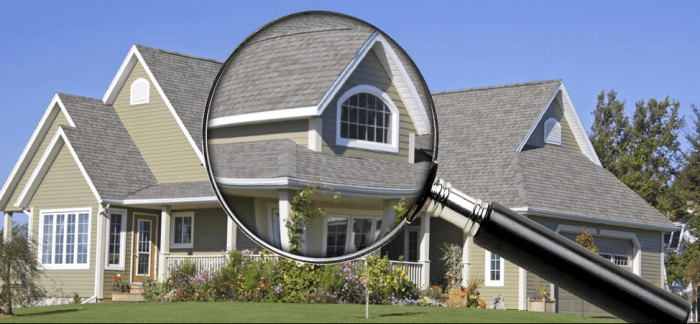
Home Inspection for Older Homes
When it comes to buying or owning an older home, a thorough home inspection is crucial to uncover any potential issues that may arise due to the age of the property. Older homes often have unique characteristics and construction methods that require a specialized inspection process to ensure the safety and integrity of the structure.
Common Issues Found During Inspections of Older Homes
- Foundation problems such as cracks or settling
- Outdated or faulty electrical systems
- Plumbing issues such as leaks or corrosion
- Roofing problems including damage or deterioration
- Mold or moisture issues due to poor ventilation
Comparison of Inspecting Older Homes vs. Newer Homes
Inspecting older homes requires a different approach compared to newer homes due to the wear and tear that comes with age. While newer homes may have fewer structural issues, older homes often have unique challenges that require a more detailed inspection process to identify potential problems.
Key Areas of Focus During a Home Inspection for Older Homes
- Structural integrity including the foundation and framing
- Electrical systems to ensure they are up to code and safe
- Plumbing systems to check for leaks and proper functionality
- Roof condition and potential for leaks or damage
- Presence of mold, mildew, or other signs of moisture issues
Kitchen Improvements
Improving the kitchen in an older home can not only enhance the overall aesthetics but also increase the property value significantly. Renovating a kitchen is a popular project among homeowners looking to modernize their living spaces and create a more functional area for cooking and entertaining.
Innovative Ideas for Kitchen Improvements
When renovating a kitchen in an older home, consider incorporating modern conveniences while preserving the charm of the original features. Ideas such as installing energy-efficient appliances, adding a kitchen island for extra counter space, or opening up the layout to create a more open concept can breathe new life into an outdated kitchen.
Adding Value to an Older Home through Kitchen Improvements
Updating the kitchen in an older home can significantly increase the resale value of the property. Potential buyers often prioritize the kitchen when considering a home purchase, making it a worthwhile investment to renovate and modernize this space. By using high-quality materials and finishes, you can create a kitchen that appeals to a wide range of tastes and preferences.
Steps for Renovating a Kitchen in an Older Home
- Assess the current layout and identify areas for improvement.
- Set a budget and prioritize upgrades based on your needs and preferences.
- Hire a reputable contractor or designer to help with the renovation process.
- Choose durable materials that will stand the test of time in an older home.
- Consider energy-efficient appliances and fixtures to reduce utility costs.
- Plan for adequate lighting to brighten up the space and create a welcoming atmosphere.
- Don’t forget about storage solutions to keep the kitchen organized and clutter-free.
Tips for Selecting Materials and Finishes for Kitchen Improvements
- Opt for timeless finishes like stainless steel appliances and quartz countertops for a modern look.
- Consider using hardwood flooring or ceramic tiles for durability and easy maintenance.
- Choose neutral colors for cabinets and walls to create a versatile backdrop for any design style.
- Invest in high-quality hardware and fixtures to add a touch of luxury to the kitchen.
- Don’t overlook the importance of proper ventilation to prevent moisture buildup and odors.
Home Improvement and Furniture
When it comes to home improvement projects in older homes, selecting the right furniture plays a crucial role in enhancing the overall aesthetics and functionality of the space. The right furniture can complement the existing architectural features and design elements, creating a cohesive and harmonious look throughout the home.
Complementing Home Improvements
- Choose furniture pieces that blend well with the style and era of the home. Opt for vintage or antique pieces that resonate with the historical charm of older homes.
- Consider the color palette and materials used in your home improvement projects when selecting furniture. Harmonize the colors and textures to create a seamless transition between the old and new elements.
- Ensure that the scale and proportion of the furniture are in harmony with the size of the rooms. Avoid overcrowding the space with oversized pieces that overwhelm the room.
Enhancing Aesthetics
- Furniture can act as statement pieces that highlight the unique character of older homes. Choose pieces that showcase craftsmanship and attention to detail, adding depth and interest to the space.
- Integrate furniture with intricate details or ornate designs to complement the architectural features of the home, such as crown moldings, wainscoting, or decorative trim.
- Use furniture to create focal points in rooms, drawing attention to key elements like fireplaces, bay windows, or built-in shelving.
Choosing the Right Furniture
- Look for furniture that reflects the period or style of your older home. Consider pieces with traditional or vintage designs that resonate with the overall aesthetic of the property.
- Mix and match furniture styles to add visual interest and personality to the space. Blend modern pieces with antique finds to create a unique and eclectic look.
- Opt for quality pieces that will stand the test of time and complement the longevity of older homes. Invest in well-crafted furniture that adds value to your home.
Importance of Furniture Placement
- Strategically place furniture to maximize space and functionality in older homes. Arrange pieces to optimize traffic flow and create defined areas for different activities.
- Use furniture to define the function of each room and create cozy, inviting spaces that reflect your personal style and preferences.
- Consider the natural light and architectural features of the room when positioning furniture. Place pieces to enhance the room’s layout and highlight key elements of the space.
Flooring
When it comes to flooring in older homes, there are a variety of options to consider. Each type of flooring has its own unique characteristics and challenges, so it’s important to choose wisely based on the specific needs of your home.One of the most popular flooring options for older homes is hardwood. Hardwood floors offer a classic and timeless look that can enhance the overall charm of an older home.
However, replacing or refinishing hardwood floors in older homes can be a challenging and costly process. It’s important to carefully assess the condition of the existing hardwood floors before making a decision.Another common flooring option for older homes is tile. Tile flooring is durable and easy to clean, making it a practical choice for high-traffic areas like kitchens and bathrooms.
However, replacing tile flooring in older homes can be labor-intensive and may require professional help to ensure a seamless installation.For those looking to maintain or restore the original flooring in an older home, it’s essential to properly care for and protect the floors from damage. Regular cleaning and maintenance can help preserve the beauty and integrity of the original flooring, whether it’s hardwood, tile, or another material.The flooring choices you make can have a significant impact on the overall look and feel of an older home.
Whether you choose to preserve the original flooring or opt for a new material, it’s important to consider the aesthetic appeal, durability, and maintenance requirements of each option.
Green Living
When it comes to older homes, incorporating eco-friendly practices and technologies can not only improve the sustainability of the property but also enhance its overall value. By choosing green living options for renovations, homeowners can reduce their environmental impact and create a healthier living space for themselves and their families.
Eco-Friendly Home Improvement Options
- Install energy-efficient windows and doors to improve insulation and reduce energy consumption.
- Upgrade to high-efficiency appliances that use less water and electricity, saving on utility bills.
- Opt for sustainable materials like bamboo flooring or recycled glass countertops in your home renovations.
Benefits of Sustainable Practices
- Lower energy costs over time due to reduced consumption.
- Improved indoor air quality with eco-friendly materials and products.
- Enhanced resale value of the property with green upgrades that appeal to environmentally conscious buyers.
Integrating Green Technologies
- Consider installing solar panels on the roof to generate renewable energy for the home.
- Use smart home technology to monitor and control energy usage more efficiently.
- Implement a rainwater harvesting system to reduce water waste and reliance on municipal sources.
Creating an Energy-Efficient Environment
- Seal any drafts or leaks in the home to prevent energy loss.
- Upgrade insulation in the attic and walls to maintain a consistent temperature indoors.
- Utilize programmable thermostats to regulate heating and cooling based on occupancy and preferences.
Interior Design and Decorating
When it comes to decorating older homes, it is essential to maintain the character and charm of the original architecture while incorporating modern elements to create a harmonious blend. Interior design plays a crucial role in enhancing the beauty and functionality of older homes, making them more inviting and comfortable.
Incorporating Vintage Elements
Incorporating vintage elements into modern interior designs for older homes can add a sense of nostalgia and history to the space. Consider using antique furniture pieces, vintage textiles, or retro lighting fixtures to create a unique and timeless look. Mixing old and new elements can provide a balance between tradition and contemporary style, giving your home a distinct personality.
Importance of Lighting
Lighting plays a vital role in enhancing the interior of an older home. Proper lighting can highlight architectural features, create ambiance, and make the space feel more inviting. Consider using a combination of natural light, overhead fixtures, task lighting, and accent lights to illuminate different areas of the home effectively. Soft, warm lighting can also help to create a cozy and welcoming atmosphere in older homes.
Principles of Interior Design for Older Homes
Embrace the history
Celebrate the unique architectural features of older homes, such as crown molding, hardwood floors, or original fireplaces.
Maintain balance
Mix vintage and modern elements in a way that complements each other and creates a cohesive design scheme.
Use colors wisely
Choose colors that enhance the character of the home while creating a sense of harmony and flow throughout the space.
Focus on comfort
Incorporate comfortable furniture and textiles to create a cozy and inviting environment for residents and guests.
Bath and Shower
In older homes, bathrooms are often a key area that may need upgrades to meet modern standards while still preserving the charm of the original design. Here we will discuss common issues related to bathrooms in older homes and share tips for upgrading them effectively.
Common Issues in Older Home Bathrooms
- Outdated plumbing systems that may lead to leaks or low water pressure.
- Inadequate ventilation causing mold and mildew growth.
- Deterioration of fixtures such as faucets, sinks, and toilets.
- Lack of storage space for toiletries and towels.
Tips for Upgrading Bathrooms in Older Homes
- Preserve original features like clawfoot tubs or vintage tiling while updating other elements for a modern look.
- Consider installing energy-efficient fixtures to save on water usage and utility costs.
- Add storage solutions like built-in cabinets or shelves to maximize space.
- Upgrade lighting to improve visibility and ambiance in the bathroom.
Modernizing Bath and Shower Areas
- Replace old, worn-out shower tiles with new, waterproof materials for a fresh look.
- Install a new showerhead with different spray settings for a more luxurious experience.
- Upgrade to a modern bathtub or shower enclosure for a sleek, contemporary feel.
- Consider adding a steam shower or whirlpool tub for added comfort and relaxation.
Importance of Plumbing and Fixtures in Bathroom Renovations
- Ensure that plumbing is up to code to prevent leaks and water damage.
- Upgrade to high-quality fixtures that are durable and efficient for long-term use.
- Consult with a professional plumber to assess and address any plumbing issues before starting renovations.
- Invest in water-saving fixtures to reduce water consumption and lower utility bills.
House Plans
When it comes to older homes, choosing the right house plan is crucial to preserving the charm and character of the property while also meeting modern needs. Here are some important considerations when selecting or modifying house plans for older homes:
Examples of House Plans for Older Homes
- Colonial Revival: Characterized by symmetrical facade, columns, and gabled roof, this style complements many older homes.
- Craftsman: Known for its exposed beams, built-in furniture, and natural materials, this style can enhance the warmth of older homes.
- Farmhouse: With its simple design, front porch, and pitched roof, this style is a popular choice for older homes.
Challenges of Modifying Existing House Plans
- Structural Considerations: Modifying existing house plans in older homes can be challenging due to outdated building codes and structural limitations.
- Cost: Making significant modifications to house plans for older homes can be costly, especially if it involves preserving architectural elements.
- Permitting: Obtaining permits for modifications to existing house plans in older homes may require additional approvals due to historical preservation regulations.
Tips for Creating Open Floor Plans
- Remove Non-Load-Bearing Walls: Opening up the space by removing non-load-bearing walls can create a more spacious and airy feel in older homes.
- Use Transitional Spaces: Incorporate transitional spaces like archways or partial walls to maintain a sense of separation while still creating an open floor plan.
- Consider Flow: Ensure that the layout of the open floor plan allows for easy movement between different areas of the home.
Preserving Architectural Elements in House Plans
- Original Features: When creating house plans for older homes, it is important to preserve original architectural elements such as moldings, trim, and built-in features.
- Adaptation: Find ways to adapt modern amenities and conveniences while still maintaining the historical integrity of the home.
- Consultation: Work with architects or designers experienced in renovating older homes to ensure that architectural elements are preserved in the house plans.
Feng Shui
Applying Feng Shui principles to older homes can bring balance and harmony to the living space, enhancing the overall energy flow and creating a more peaceful environment.
Benefits of Feng Shui in Home Improvement Projects
- Improved energy flow: By arranging furniture and decor according to Feng Shui guidelines, you can optimize the flow of positive energy throughout the home.
- Enhanced well-being: Incorporating Feng Shui can promote a sense of well-being and harmony for residents, creating a more comfortable and inviting living space.
- Increased positivity: Feng Shui is believed to attract positive energy and opportunities, contributing to a more positive and uplifting atmosphere in older homes.
Arranging Furniture and Decor with Feng Shui
- Place your bed in the commanding position, diagonally across from the door, to have a clear view of the entrance and feel secure.
- Avoid clutter and keep pathways clear to allow energy to flow freely throughout the home.
- Use mirrors strategically to reflect light and expand the space, while also doubling the energy in the room.
Creating Harmony in Older Homes
By incorporating Feng Shui principles, you can create a harmonious living environment in older homes that promotes positive energy flow and overall well-being. The balance of elements, colors, and arrangement of furniture can greatly impact the atmosphere and create a space that feels welcoming and rejuvenating.
Heating and Air Conditioning
When it comes to older homes, installing modern heating and air conditioning systems can pose unique challenges. These homes were not originally designed with the same HVAC requirements as newer constructions, leading to potential issues with compatibility and efficiency. However, with the right approach and considerations, it is possible to upgrade these systems effectively.
Upgrading HVAC Systems in Older Homes
In older homes, upgrading HVAC systems requires careful planning and assessment. Here are some tips to help you navigate this process:
- Consult with a professional HVAC technician to evaluate the current system and determine the best upgrade options.
- Consider the layout and design of the home to ensure that the new system can be installed efficiently without compromising the structural integrity.
- Explore ductless mini-split systems as a flexible and energy-efficient alternative for older homes without existing ductwork.
- Invest in programmable thermostats to optimize energy usage and improve overall comfort in the home.
- Regular maintenance and servicing are essential to prolong the lifespan of the new HVAC system and ensure optimal performance.
Importance of Proper Insulation
Proper insulation plays a crucial role in maintaining comfortable temperatures in older homes. Without adequate insulation, heating and cooling systems may have to work harder to regulate indoor temperatures, leading to increased energy consumption and higher utility bills. By addressing insulation gaps and improving overall insulation levels, homeowners can create a more energy-efficient and comfortable living environment.
Energy-Efficient Heating and Cooling Solutions
When exploring energy-efficient heating and cooling solutions for older homes, consider the following options:
- Upgrade to high-efficiency HVAC systems that meet current energy efficiency standards and offer advanced features for improved performance.
- Install smart thermostats that can learn your heating and cooling preferences, adjust settings automatically, and provide energy-saving recommendations.
- Explore renewable energy sources such as solar panels or geothermal heating systems to reduce reliance on traditional fossil fuels and lower carbon emissions.
- Implement zoning systems to regulate temperatures in different areas of the home independently, maximizing comfort and energy savings.
- Consider investing in proper ventilation systems to maintain indoor air quality and enhance overall HVAC efficiency.
In conclusion, home inspection for older homes not only safeguards investments but also preserves the charm and character of these timeless abodes, ensuring a blend of nostalgia and functionality for generations to come.
Detailed FAQs
What are the key areas to focus on during a home inspection for older homes?
Common areas to focus on include the foundation, electrical systems, plumbing, roof, and structural integrity.
How do home inspections for older homes differ from newer homes?
Older homes may have unique challenges such as outdated systems and materials, requiring a more thorough inspection.
Can home improvements add value to older homes?
Yes, strategic improvements like kitchen renovations or energy-efficient upgrades can significantly increase the value of older properties.


