
Embark on a journey to transform your kitchen affordably with Budget kitchen improvements. Discover cost-effective upgrades, DIY projects, and tips for a wallet-friendly makeover.
Budget Kitchen Improvements
Improving your kitchen on a budget doesn’t mean compromising on aesthetics. There are plenty of cost-effective ways to upgrade the look of your kitchen without breaking the bank. Whether it’s through DIY projects or repurposing existing materials, you can achieve a stylish and refreshed kitchen without spending a fortune.
Cost-Effective Upgrades
When looking to upgrade your kitchen on a budget, consider the following cost-effective options:
- Painting cabinets instead of replacing them
- Adding a backsplash with peel-and-stick tiles
- Upgrading hardware such as handles and knobs
- Installing under cabinet lighting for a modern touch
DIY Projects
DIY projects can be a fun and affordable way to enhance your kitchen. Consider the following DIY ideas:
- Creating open shelving from reclaimed wood
- Building a kitchen island using a repurposed table or dresser
- Painting an accent wall for a pop of color
- Installing a pegboard for easy and stylish storage
Repurposing Materials
Repurposing existing materials is a sustainable and budget-friendly way to give your kitchen a makeover. Try these ideas:
- Using old mason jars for storing utensils or spices
- Repurposing wooden crates as storage shelves
- Turning an old ladder into a pot rack
- Refurbishing old furniture for a unique kitchen island
Home Inspections
When evaluating a home, conducting a thorough kitchen inspection is crucial in determining the overall condition and value of the property.
Common Kitchen Issues
During home inspections, common kitchen issues that are often identified include:
- Inadequate ventilation leading to mold and mildew growth.
- Outdated or malfunctioning appliances.
- Leaking faucets or pipes causing water damage.
- Worn-out countertops or cabinets.
- Poor lighting and electrical issues.
Increasing Property Value
By addressing these kitchen issues, property value can be significantly increased. Some ways to enhance the kitchen and boost property value include:
- Upgrading to energy-efficient appliances.
- Replacing worn-out countertops and cabinets with modern, durable materials.
- Fixing any plumbing or electrical issues promptly.
- Improving ventilation to prevent mold and mildew growth.
- Enhancing the overall aesthetic appeal with fresh paint and lighting fixtures.
Home Improvement and Furniture
Kitchen improvements are a crucial part of overall home improvement projects. The kitchen is often considered the heart of the home, and upgrading it can significantly enhance the overall value and appeal of the property. Integrating new furniture pieces is a great way to refresh the kitchen space and give it a new look and feel. Coordinating furniture styles with kitchen upgrades is essential to create a cohesive and harmonious design scheme.
Integrating New Furniture Pieces
When integrating new furniture pieces into your kitchen, consider the following ideas:
- Choose furniture pieces that complement the existing kitchen design and color scheme.
- Opt for multi-functional furniture pieces that offer both style and practicality, such as kitchen islands with built-in storage.
- Mix and match different furniture styles to create a unique and personalized look.
Coordinating Furniture Styles with Kitchen Upgrades
Here are some tips for coordinating furniture styles with kitchen upgrades:
- Ensure that the materials and finishes of the furniture pieces match the new kitchen cabinetry and countertops.
- Consider the overall theme and aesthetic of your home when selecting furniture styles for the kitchen.
- Incorporate elements of symmetry and balance in the placement of furniture pieces to create a visually appealing space.
Flooring
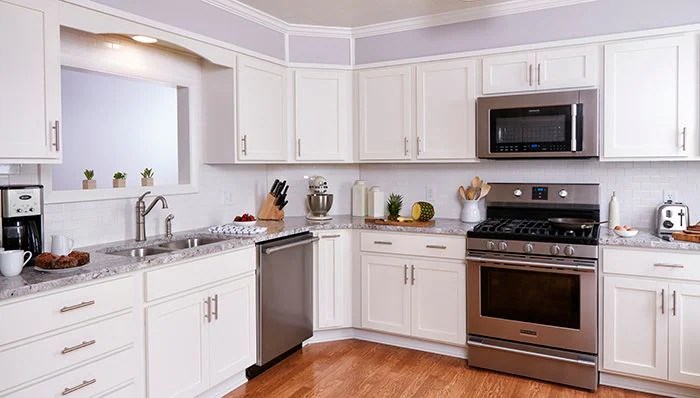
When it comes to budget-friendly flooring options for kitchens, there are several choices available that can help you achieve a fresh look without breaking the bank. It is important to consider durability and ease of maintenance when selecting flooring for your kitchen, as this area experiences a high level of foot traffic and is prone to spills and messes. Additionally, the installation process for DIY kitchen flooring upgrades can vary depending on the type of flooring you choose.
Comparing Budget-Friendly Flooring Options
- Vinyl Flooring: Vinyl flooring is a cost-effective and versatile option for kitchens. It is durable, easy to clean, and comes in a variety of styles and colors.
- Laminate Flooring: Laminate flooring is another affordable choice that mimics the look of hardwood or tile. It is easy to install and maintain, making it a popular option for DIY projects.
- Linoleum Flooring: Linoleum is a natural and environmentally friendly flooring option that is budget-friendly and durable. It is available in a wide range of colors and patterns to suit any kitchen design.
Importance of Durable Flooring in Kitchens
Having durable flooring in your kitchen is essential to withstand the daily wear and tear it experiences. It should be able to resist scratches, stains, and moisture to ensure longevity and easy maintenance. Investing in quality flooring can also add value to your home.
DIY Kitchen Flooring Installation Process
- Clean and prepare the subfloor: Remove any existing flooring and ensure the subfloor is clean, dry, and level.
- Measure and cut the flooring: Follow the manufacturer’s instructions to measure and cut the flooring material to fit your kitchen space.
- Install the flooring: Start from one corner of the room and work your way across, following the installation guidelines provided with the flooring. Use the appropriate tools and adhesives as needed.
- Finish and seal the flooring: Once the flooring is installed, apply any recommended sealant or finish to protect it from spills and damage.
Green Living
When it comes to kitchen improvements, opting for eco-friendly choices not only benefits the environment but also contributes to a healthier living space for you and your family. Incorporating sustainable materials and design choices can help reduce your carbon footprint and energy consumption while creating a stylish and functional kitchen.
Eco-Friendly Kitchen Improvement Options
- Install energy-efficient appliances that are certified by Energy Star to reduce electricity usage.
- Choose cabinets made from reclaimed or recycled wood to minimize environmental impact.
- Use low-VOC (volatile organic compound) paints and finishes to improve indoor air quality.
- Consider installing a water-saving faucet and fixtures to conserve water resources.
Sustainable Materials for Kitchen Upgrades
- Opt for bamboo flooring, which is a renewable resource that grows quickly and is durable for high-traffic areas.
- Select countertops made from recycled glass, concrete, or sustainable wood to reduce waste and promote eco-friendly practices.
- Use cork or recycled tile backsplashes to add a unique touch to your kitchen while being environmentally conscious.
Reducing Energy Consumption Through Design Choices
- Maximize natural light by incorporating large windows or skylights to reduce the need for artificial lighting during the day.
- Choose energy-efficient LED bulbs for overhead lighting and task lighting to lower electricity usage.
- Invest in proper insulation and sealing to prevent heat loss or gain, reducing the need for excessive heating or cooling in the kitchen.
Interior Design and Decorating
When it comes to interior design and decorating for your kitchen, creating a cohesive design scheme is key to achieving a stylish and functional space. By carefully selecting colors, materials, and decor elements, you can transform your kitchen into a visually appealing and organized area.
Maximizing space and storage through interior design is essential, especially in smaller kitchens. Utilizing vertical storage solutions, such as shelves and cabinets that reach to the ceiling, can help optimize space and keep clutter at bay. Additionally, incorporating multi-functional furniture pieces, like kitchen islands with built-in storage, can further enhance the functionality of the space.
Lighting plays a crucial role in enhancing the ambiance of the kitchen. A well-lit space not only makes tasks like cooking and meal prep easier but also creates a warm and inviting atmosphere. Consider a mix of overhead lighting, task lighting, and accent lighting to provide both functionality and aesthetics in your kitchen.
Bath and Shower
When it comes to home improvement projects, kitchen and bathroom renovations often go hand in hand. These two areas are crucial in enhancing the overall functionality and aesthetic appeal of a home.
Coordinating design elements between the kitchen and bathroom can create a cohesive look throughout the house. This can be achieved by using similar color schemes, materials, or finishes in both spaces. For example, if you have stainless steel appliances in the kitchen, consider incorporating stainless steel fixtures in the bathroom for a unified look.
Impact of Plumbing Upgrades
Upgrading plumbing in both the kitchen and bathroom can have a significant impact on the functionality of these spaces. Improved plumbing systems can enhance water efficiency, reduce the risk of leaks or water damage, and increase the overall value of your home.
House Plans
When planning a house renovation, incorporating kitchen improvements is essential to enhance both functionality and aesthetics. The kitchen is often considered the heart of the home, making it a focal point in house design.
Importance of Kitchen Layout in House Design
The layout of the kitchen plays a crucial role in the overall design of a house. An efficient and well-thought-out kitchen layout can improve workflow, maximize storage space, and create a welcoming atmosphere for residents and guests alike.
- Consider an open-concept layout to create a seamless flow between the kitchen, dining, and living areas.
- Opt for a kitchen island for additional counter space and storage, as well as a central gathering point for socializing.
- Ensure sufficient lighting, both natural and artificial, to illuminate the workspace and enhance the ambiance of the kitchen.
Examples of Kitchen-Centric House Plans for Inspiration
There are various house plans that prioritize the kitchen as a key feature of the home. These plans often showcase innovative layouts and design elements that elevate the kitchen to a focal point.
| Modern Farmhouse Style: This house plan features a large, open kitchen with rustic elements such as exposed beams and reclaimed wood accents. |
| Contemporary Urban Dwelling: In this plan, the kitchen is sleek and minimalist, with high-end appliances and a sophisticated design aesthetic. |
| Craftsman Bungalow: The kitchen in this plan is cozy and charming, with custom cabinetry and vintage-inspired fixtures. |
Feng Shui
Feng Shui is an ancient Chinese practice that focuses on creating harmonious environments by optimizing the flow of energy, known as chi. When applied to kitchen design, Feng Shui principles can enhance the overall energy in the space, promoting health, well-being, and prosperity.
Principles of Feng Shui in Kitchen Design
- Avoid placing the stove directly opposite the sink or refrigerator, as this can create a clash of elements. Instead, position them in a triangular formation to promote balance and harmony.
- Keep the kitchen clutter-free to allow energy to flow freely throughout the space. Organize cabinets and drawers, and avoid overcrowding countertops with unnecessary items.
- Use natural materials such as wood, stone, and ceramic in your kitchen design to connect with nature and promote a sense of grounding.
Improving Energy Flow in the Kitchen
- Ensure good lighting in the kitchen to brighten the space and uplift the energy. Natural light is ideal, but if that’s not possible, opt for full-spectrum lighting.
- Introduce live plants or herbs to bring a sense of vitality and freshness into the kitchen. Plants help purify the air and infuse the space with positive energy.
- Avoid sharp edges and corners in your kitchen design, as they can create negative energy. Opt for rounded shapes and curves to promote a more gentle flow of chi.
Arranging Kitchen Elements according to Feng Shui
- Place the refrigerator and pantry in the kitchen’s northwest corner to symbolize abundance and prosperity. Keep them well-stocked to maintain a sense of abundance in the home.
- Position the dining table where it has a clear view of the kitchen entrance but is not directly in line with it. This placement allows for a sense of security and control during meals.
- Avoid hanging heavy objects or shelves directly above the stove, as this can create oppressive energy. Instead, opt for light fixtures or artwork to promote a more uplifting atmosphere.
Heating and Air Conditioning
Proper ventilation plays a crucial role in maintaining a comfortable kitchen environment. It helps in removing excess heat, cooking odors, and moisture, creating a more pleasant space for cooking and dining. In addition, adequate ventilation can improve indoor air quality and prevent the buildup of harmful fumes and gases.
Integrating Heating and Cooling Systems
When upgrading your kitchen, consider integrating heating and cooling systems to ensure optimal comfort year-round. Here are some tips to help you seamlessly incorporate these systems into your kitchen improvements:
- Choose energy-efficient appliances: Opt for HVAC systems and kitchen appliances that are energy-efficient to reduce energy consumption and lower utility bills.
- Install ceiling fans: Ceiling fans can help distribute air evenly throughout the kitchen, improving air circulation and comfort.
- Consider underfloor heating: Underfloor heating systems can provide warmth from the ground up, creating a cozy atmosphere in the kitchen.
- Utilize smart thermostats: Smart thermostats allow you to control the temperature of your kitchen remotely, ensuring comfort and energy savings.
Enhancing Kitchen Environment
Maintaining proper temperature control in the kitchen can significantly enhance the cooking and dining experience. Here are some benefits of temperature control in the kitchen:
- Improved cooking efficiency: A comfortable temperature can make cooking tasks more enjoyable and efficient, leading to better meal preparation.
- Enhanced indoor air quality: Regulating temperature can help reduce humidity levels and prevent the growth of mold and mildew, promoting a healthier indoor environment.
- Increased comfort: Maintaining a consistent temperature in the kitchen ensures a comfortable space for cooking, dining, and socializing with family and friends.
- Energy efficiency: Proper temperature control can help reduce energy waste and lower utility costs, making your kitchen more environmentally friendly.
In conclusion, Budget kitchen improvements offer a practical approach to revamping your kitchen without breaking the bank. From repurposing materials to enhancing aesthetics, these tips can elevate your space on a budget.
Frequently Asked Questions
Can I upgrade my kitchen without spending a fortune?
Absolutely! Budget kitchen improvements focus on affordable ways to enhance your kitchen without overspending.
Are DIY projects a good option for kitchen upgrades?
DIY projects can be a fantastic way to improve your kitchen aesthetics while staying within budget.
How can I repurpose materials for a budget-friendly kitchen makeover?
You can repurpose existing materials creatively to give your kitchen a fresh look without breaking the bank.


