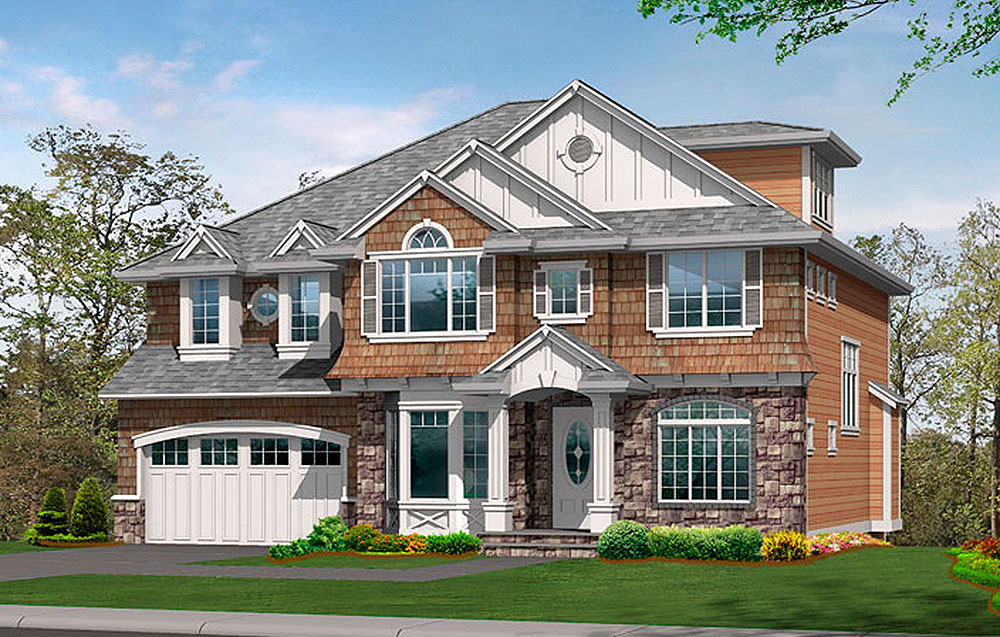
House plans for large families sets the stage for this enthralling narrative, offering readers a glimpse into a story that is rich in detail with casual formal language style and brimming with originality from the outset.
When designing homes for large families, it’s crucial to consider key features that maximize space and functionality to cater to the needs of every family member. From layout designs to furniture choices, every aspect plays a vital role in creating a harmonious living environment. Let’s delve deeper into the world of house plans for large families.
House Plans for Large Families
When designing house plans for large families, it is important to consider key features that optimize space and functionality to accommodate the needs of multiple family members. This includes layouts that maximize living space, provide ample storage, and ensure privacy for each family member.
Layout Designs for Large Families
When it comes to layout designs for large families, open floor plans are often preferred as they create a sense of spaciousness and allow for easy interaction between family members. Multi-story homes with separate living areas or wings can also provide privacy for different family members while still maintaining a cohesive living space. Additionally, incorporating flexible spaces such as a bonus room or a home office can add versatility to the home to suit the needs of a large family.
Number of Bedrooms and Bathrooms
The number of bedrooms and bathrooms in a house plan for large families is crucial to ensure that everyone has their own space and privacy. Ideally, each family member should have their own bedroom, and having multiple bathrooms can help reduce wait times during busy mornings or evenings. Additionally, considering the placement of bedrooms and bathrooms to minimize noise disturbance and maximize convenience is key in creating a functional and harmonious living environment for large families.
Home Inspections
Before purchasing a property, it is crucial to conduct a thorough home inspection to ensure that it meets your needs and is in good condition. Home inspections play a significant role in identifying any potential issues or concerns that may exist within the property. Here are some tips on how to prepare for a home inspection:
Process of a Thorough Home Inspection
- Find a reputable home inspector who is licensed and experienced in conducting thorough inspections.
- Prepare a list of any specific areas or concerns you would like the inspector to focus on during the inspection.
- Be present during the inspection to ask questions and gain a better understanding of any issues that may be identified.
- The inspector will assess the structural integrity of the property, inspect the electrical and plumbing systems, check for any signs of water damage or mold, and evaluate the overall condition of the home.
- After the inspection, the inspector will provide a detailed report outlining any findings and recommendations for repairs or maintenance.
Significance of Home Inspections
- Home inspections help buyers make informed decisions about a property by identifying potential issues that may not be visible during a casual walkthrough.
- Identifying any problems early on can save buyers from costly repairs or maintenance down the line.
- Home inspections can also provide leverage for negotiating the purchase price or requesting repairs from the seller.
Tips for Preparing for a Home Inspection
- Ensure the property is easily accessible for the inspector by removing any clutter or obstacles that may impede the inspection process.
- Make sure all utilities are turned on so that the inspector can fully assess the functionality of the electrical, plumbing, and heating systems.
- Compile any maintenance records or documentation related to the property to provide to the inspector for review.
- Prepare a list of questions or concerns to discuss with the inspector during the inspection.
Kitchen Improvements
When it comes to designing a kitchen for large families, it’s essential to maximize space and functionality to cater to the needs of multiple family members. Here are some innovative ideas and tips to help you improve your kitchen:
Maximizing Storage Space
- Install floor-to-ceiling cabinets to utilize vertical space efficiently.
- Include pull-out pantry shelves for easy access to food items.
- Utilize corner cabinets with rotating shelves to maximize storage capacity.
Open Concept Design
- Consider an open concept layout to create a spacious and connected feel for family gatherings.
- Install a large kitchen island with seating to accommodate family members during meal preparation.
- Opt for light colors and reflective surfaces to enhance natural light and create a welcoming atmosphere.
Smart Appliances and Technology
- Invest in smart appliances that offer convenience and efficiency, such as a connected refrigerator or a voice-activated assistant.
- Install task lighting under cabinets and in key work areas for better visibility and functionality.
- Consider a touchless faucet and motion-sensor lighting for a hands-free and hygienic kitchen environment.
Home Improvement and Furniture
When it comes to creating a functional and comfortable living space for large families, furniture choices play a crucial role. The right furniture can enhance the functionality of different rooms in the house while also providing comfort and style. In this section, we will explore how furniture choices can impact the functionality of a home for large families, discuss budget-friendly home improvement projects that enhance living spaces, and provide tips for selecting durable and child-friendly furniture.
Impact of Furniture Choices
- Choose multi-functional furniture pieces such as sofa beds, storage ottomans, and extendable dining tables to maximize space and provide versatility.
- Opt for durable materials like hardwood, leather, or stain-resistant fabrics to ensure longevity and easy maintenance, especially with children in the house.
- Consider the layout and flow of the room when selecting furniture to create designated areas for different activities while maintaining an open and spacious feel.
Budget-Friendly Home Improvement Projects
- Repaint walls or add wallpaper to refresh the look of a room without breaking the bank.
- Update lighting fixtures to improve ambiance and functionality, such as installing dimmer switches or energy-efficient LED bulbs.
- DIY furniture restoration projects can breathe new life into old pieces and add a personalized touch to your home decor.
Tips for Selecting Durable and Child-Friendly Furniture
- Look for furniture with rounded edges and sturdy construction to minimize the risk of accidents and injuries for children.
- Choose stain-resistant and easy-to-clean fabrics for sofas, chairs, and dining furniture to withstand spills and messes common in a family setting.
- Invest in quality furniture pieces that can withstand the wear and tear of daily use, considering factors like frame construction, upholstery, and overall design.
Flooring
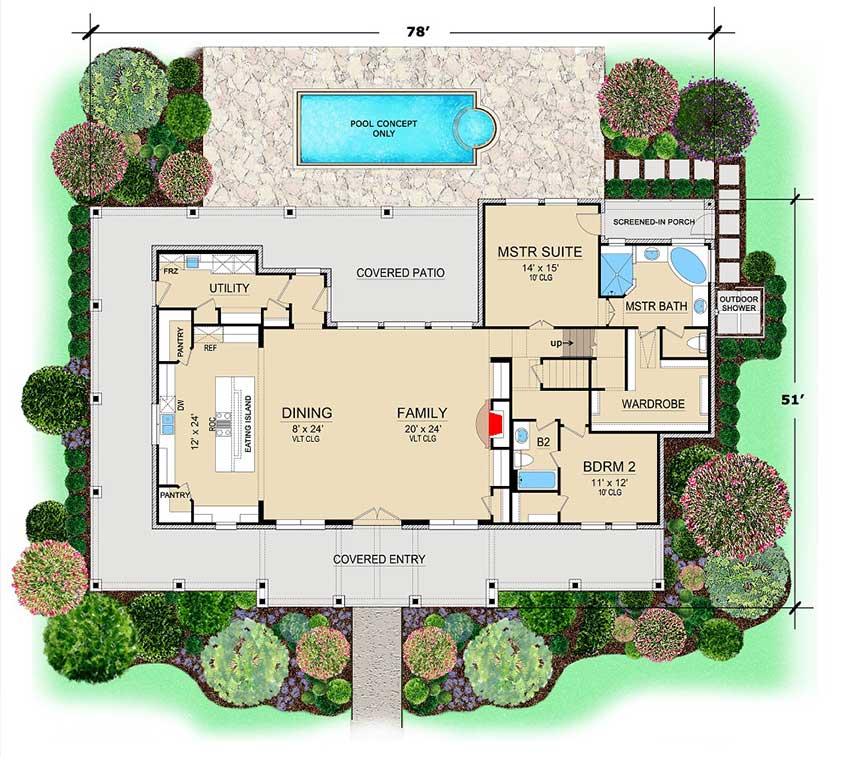
When it comes to choosing flooring for high-traffic areas in homes with large families, durability is key. With children and pets constantly moving around, it’s important to select flooring options that can withstand heavy use. Here, we will compare different types of flooring suitable for such households and provide maintenance tips to keep your floors in top condition.
Types of Flooring for High-Traffic Areas
- Hardwood: Known for its timeless appeal and durability, hardwood flooring is a popular choice for large family homes. It can be refinished multiple times to maintain its appearance.
- Laminate: A cost-effective alternative to hardwood, laminate flooring is scratch-resistant and easy to clean, making it ideal for busy households.
- Tile: Porcelain or ceramic tiles are highly durable and easy to maintain, making them suitable for areas prone to spills and heavy foot traffic.
- Vinyl: Vinyl flooring is water-resistant and comfortable underfoot, making it a practical choice for homes with children and pets.
Importance of Durable Flooring for Homes with Children and Pets
Choosing durable flooring options for homes with children and pets is essential to ensure longevity and minimize the need for frequent replacements. With little ones and furry friends running around, the floors are prone to scratches, spills, and accidents. Opting for durable flooring materials can help withstand these challenges and maintain the aesthetic appeal of your home.
Maintenance Tips for Keeping Flooring in Good Condition
- Regular Cleaning: Vacuum or sweep the floors regularly to remove dirt and debris that can cause scratches.
- Use Area Rugs: Place area rugs in high-traffic areas to protect the flooring from wear and tear.
- Wipe Spills Immediately: Promptly clean up spills to prevent staining and damage to the flooring.
- Trim Pet Nails: Keep your pet’s nails trimmed to prevent scratches on hardwood or laminate flooring.
- Use Furniture Pads: Place furniture pads under heavy furniture to prevent indentations on the floor.
Green Living
Integrating eco-friendly practices into house plans for large families is not only beneficial for the environment but also for the well-being of the residents. By incorporating sustainable materials and energy-efficient solutions, a family home can reduce its carbon footprint and promote a healthier living environment.
Benefits of Sustainable Materials and Energy-Efficient Solutions
- Reduce energy consumption: Using energy-efficient appliances and lighting can significantly lower electricity bills and decrease the overall environmental impact.
- Improve indoor air quality: Opting for non-toxic paints, finishes, and materials can enhance the air quality inside the home, promoting better health for the family members.
- Long-term cost savings: Investing in sustainable materials may have a higher upfront cost, but they often last longer and require less maintenance, saving money in the long run.
Tips for Creating a Green Living Environment for Large Families
- Install solar panels: Utilizing solar energy can help reduce reliance on traditional energy sources and lower utility bills over time.
- Use recycled and reclaimed materials: Incorporating recycled and reclaimed materials into the home design can reduce waste and give a unique, eco-friendly touch to the space.
- Start a composting system: Setting up a composting system for organic waste can help reduce landfill waste and provide nutrient-rich soil for gardening.
Interior Design and Decorating
Creating a welcoming and spacious interior design for large families is essential to ensure a comfortable living space for all family members. By incorporating the right color schemes, layouts, and personal touches, you can make your home a cozy and inviting place for everyone.
Color Schemes for Large Families
When designing the interior of a home for a large family, it’s important to choose color schemes that create a sense of harmony and balance. Neutral colors like beige, gray, and white can help create a calming atmosphere, while pops of color in accents like pillows, rugs, and artwork can add personality and vibrancy to the space.
Layouts for Large Families
Optimizing the layout of your home is crucial when accommodating a large family. Open floor plans can help create a sense of spaciousness and connectivity between different areas of the house, making it easier for family members to interact and spend time together. Consider multifunctional furniture and storage solutions to maximize space and functionality.
Personal Touches and Family-Friendly Elements
Incorporating personal touches and family-friendly elements into your interior design can make your home feel warm and inviting. Displaying family photos, children’s artwork, and sentimental items can add a personal touch to the space. Additionally, choosing durable and easy-to-clean materials for furniture and decor items can help make your home more family-friendly and practical for everyday use.
Bath and Shower
Having multiple bathrooms in house plans for large families is essential to ensure everyone has enough space and privacy to get ready in the mornings and wind down in the evenings. It also helps in preventing long queues and conflicts over bathroom usage, especially during busy times of the day.When designing bathrooms for large families, it is important to focus on functionality and style.
Consider incorporating double sinks, separate shower and bathtub areas, ample storage space, and durable materials that can withstand heavy use. Opt for neutral colors and timeless designs that can appeal to everyone in the family.
Ideas for Designing Functional and Stylish Bathrooms
- Install a double vanity to accommodate multiple family members getting ready at the same time.
- Separate the shower and bathtub areas to allow for simultaneous use.
- Incorporate storage solutions such as built-in shelves, cabinets, and drawers to keep the bathroom organized.
- Choose easy-to-clean and durable materials like porcelain tiles and quartz countertops.
Tips for Selecting Fixtures and Amenities
- Opt for low-flow toilets and faucets to conserve water in a household with many occupants.
- Consider installing a rainfall showerhead or a handheld shower for added convenience.
- Invest in a quality exhaust fan to prevent moisture buildup and mold growth in the bathroom.
- Add heated flooring or towel racks for a touch of luxury and comfort.
Furniture
When it comes to furnishing a home for a large family, choosing the right furniture is crucial. The furniture not only needs to be comfortable and versatile but also durable enough to withstand the daily wear and tear that comes with a bustling household.
Compare furniture arrangements for living rooms and common areas in homes with large families
In homes with large families, it is essential to create furniture arrangements that maximize space and accommodate the needs of all family members. Here are a few common furniture arrangements to consider:
- Sectional sofas or modular seating to provide ample seating for everyone in the family
- Multipurpose furniture pieces like ottomans with storage or coffee tables with drawers for added functionality
- Adjustable and extendable dining tables to accommodate varying numbers of family members and guests
Discuss the significance of comfortable and versatile furniture in a large family home
Comfortable and versatile furniture is key in a large family home as it ensures that everyone can relax and enjoy their time together. Furniture pieces like cozy sofas, recliners, and bean bags provide comfortable seating options for family members of all ages. Additionally, versatile furniture pieces that can be easily rearranged or repurposed allow for flexibility in accommodating different activities and events within the home.
Provide tips on choosing furniture pieces that can withstand the wear and tear of daily family life
When selecting furniture for a large family home, consider the following tips to ensure durability and longevity:
- Opt for sturdy materials like hardwood, metal, or high-quality upholstery fabrics that can withstand heavy use
- Look for furniture pieces with removable and washable covers for easy cleaning and maintenance
- Choose furniture with rounded edges and corners to minimize the risk of injuries, especially for young children
Feng Shui
Feng Shui is an ancient Chinese practice that focuses on the flow of energy, or chi, in a space to promote harmony and balance. When applied to house plans for large families, Feng Shui principles can help create a positive and harmonious living environment for all family members.
Incorporating Feng Shui Elements
- Avoid clutter: Keeping the home organized and free of clutter is essential for good energy flow. This can be especially challenging in a large family setting, but implementing storage solutions and decluttering regularly can help maintain a harmonious space.
- Balance elements: In Feng Shui, there are five elements – wood, fire, earth, metal, and water. Incorporating these elements into the design and decor of the home can help create a balanced and harmonious environment. For example, using wooden furniture, incorporating plants for the wood element, or adding a water feature for the water element.
- Optimize layout: The layout of the home plays a crucial role in Feng Shui. Ensuring that rooms are well-organized, with clear pathways and natural light, can help promote positive energy flow throughout the space. Additionally, positioning furniture in a way that allows for easy movement and interaction can enhance the overall harmony of the home.
- Use colors mindfully: Colors have a significant impact on the energy of a space. In Feng Shui, different colors are associated with specific elements and emotions. Choosing colors mindfully and incorporating them into the home’s design can help create a balanced and harmonious atmosphere for a large family.
Heating and Air Conditioning
Efficient heating and air conditioning systems are crucial in house plans for large families to ensure a comfortable living environment for everyone. These systems not only help maintain optimal temperatures but also contribute to the overall well-being of the residents.
Selecting HVAC Systems
- Consider the size of your home and the number of family members to determine the capacity needed for the HVAC system.
- Look for energy-efficient models with high SEER (Seasonal Energy Efficiency Ratio) ratings to save on utility bills.
- Choose a reputable brand with a good warranty to ensure long-term reliability and performance.
- Consult with HVAC professionals to assess your specific needs and recommend the best system for your home.
Energy-Saving Practices
- Install a programmable thermostat to regulate temperatures and reduce energy consumption when no one is home.
- Ensure proper insulation and sealing of windows and doors to prevent heat loss and maintain efficiency.
- Schedule regular maintenance checks to keep the HVAC system running smoothly and efficiently.
- Consider using ceiling fans to help circulate air and reduce the workload on the HVAC system.
Exploring the realm of house plans for large families unveils a myriad of possibilities to create a comfortable and inviting space for everyone. By incorporating innovative designs and thoughtful elements, these homes can truly be a haven for families to thrive and create lasting memories together.
FAQ Overview
How many bedrooms and bathrooms are ideal for large family house plans?
For large families, it’s recommended to have at least 4-5 bedrooms and 3-4 bathrooms to ensure everyone has ample space and privacy.
What are some key features to look for in house plans for large families?
Look for open floor plans, multifunctional spaces, ample storage solutions, and durable materials that can withstand the wear and tear of daily family life.
How can Feng Shui principles enhance the design of house plans for large families?
By incorporating Feng Shui elements such as proper furniture placement, natural light optimization, and clutter-free spaces, you can create a harmonious and positive living environment for the whole family.


