
Step into the world of house plans with an open kitchen, where functionality meets style in the heart of your home. Explore the benefits, trends, and tips that will transform your living space into a modern haven.
Discover the perfect blend of practicality and aesthetics as we delve into the realm of open kitchen designs and how they elevate the overall ambiance of your house.
House Plans with an Open Kitchen
Open kitchen designs in house plans have become increasingly popular in modern homes. This layout integrates the kitchen with the main living area, creating a seamless flow and allowing for easier interaction between family members and guests.
There are several benefits to having an open kitchen design. It makes the space feel larger and more welcoming, as natural light and views can easily flow through the space. The open layout also promotes socialization, as the cook can engage with guests while preparing meals. Additionally, open kitchens are great for entertaining, as they allow for easy serving and clean-up.
Comparison with Traditional Closed Kitchen Layouts
- Open kitchens offer a more spacious and airy feel compared to closed kitchens, which can feel cramped and isolated.
- Open kitchens promote interaction and communication, as opposed to closed kitchens where the cook is often separated from guests.
- Open kitchens are great for modern living, where multitasking and socializing are more common, while closed kitchens are more traditional and private.
Popular House Plans with Open Kitchens
- The Farmhouse style house plan features a large open kitchen with a central island, perfect for family gatherings.
- The Contemporary home design often includes an open kitchen that flows into the dining and living areas, creating a cohesive space for everyday living.
- The Craftsman house plan typically showcases an open kitchen with high-end finishes and ample storage, ideal for home chefs.
Home Inspections
Kitchen inspections play a crucial role in evaluating the overall condition of a home. As one of the most frequently used areas in a house, the kitchen requires special attention during inspections to ensure safety, functionality, and compliance with building codes.
Importance of Kitchen Inspections
During a home inspection, inspectors thoroughly assess the kitchen to identify any potential issues that could affect the safety and functionality of the space. They look for signs of damage, leaks, faulty appliances, inadequate ventilation, and other safety hazards that may need immediate attention.
What Inspectors Look For
- Condition of appliances and fixtures
- Proper installation of electrical and plumbing systems
- Evidence of leaks or water damage
- Ventilation and exhaust system functionality
- Presence of fire hazards
Common Issues Found in Kitchens
- Leaky faucets or pipes
- Outdated or malfunctioning appliances
- Poor ventilation leading to mold or mildew growth
- Improperly installed electrical outlets
- Inadequate storage space
Tips for Preparing Your Kitchen for Inspection
- Clean and declutter the space
- Repair any leaks or water damage
- Ensure all appliances are in working order
- Check and replace any faulty electrical outlets
- Organize cabinets and storage areas
Kitchen Improvements
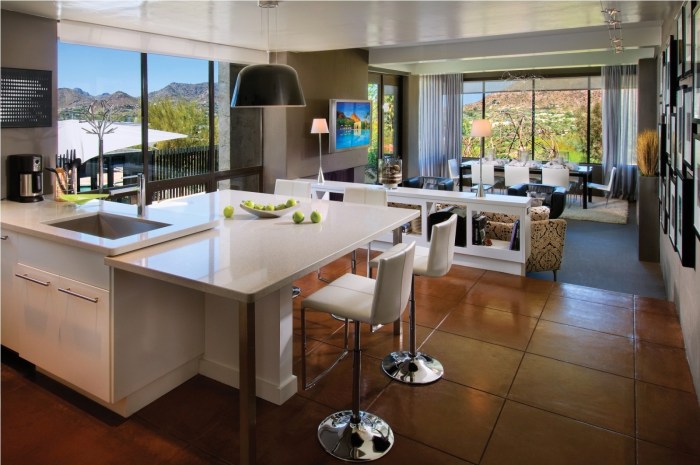
Enhancing an open kitchen doesn’t have to break the bank. By making some budget-friendly improvements, you can transform your kitchen into a more functional and stylish space.
Suggest budget-friendly improvements to enhance an open kitchen
- Painting cabinets and walls with a fresh coat of paint can instantly update the look of your kitchen.
- Replacing old hardware such as handles and knobs can give cabinets and drawers a modern touch.
- Adding statement lighting fixtures above the kitchen island or sink can create a focal point in the room.
- Installing open shelving can not only provide extra storage but also showcase your favorite dishes and decor.
Provide step-by-step guide for renovating a kitchen layout
- Start by assessing your current layout and identifying areas that need improvement.
- Create a budget and timeline for the renovation project.
- Consult with a professional designer or contractor to help with the planning and execution of the new layout.
- Demolish the existing kitchen layout and prepare the space for the new design.
- Install new cabinets, countertops, and appliances according to the new layout plan.
- Add finishing touches such as backsplash, lighting, and flooring to complete the renovation.
Discuss the latest trends in kitchen improvement projects
One of the latest trends in kitchen improvement projects is the use of mixed materials, such as combining wood and metal for a modern industrial look. Another popular trend is the incorporation of smart technology, like touchless faucets and voice-activated appliances, to make kitchen tasks more convenient.
Share before and after stories of kitchen transformations
Many homeowners have shared inspiring before and after stories of their kitchen transformations. From outdated and cramped spaces to open and inviting kitchens with improved functionality, these stories showcase the power of a well-executed kitchen renovation.
Home Improvement and Furniture
In an open kitchen design, furniture plays a crucial role in enhancing the overall look and functionality of the space. The right furniture choices can not only complement the layout but also optimize the kitchen space for efficiency and aesthetics.
Enhancing Open Kitchen Design with Furniture
When selecting furniture for an open kitchen, consider pieces that are both stylish and functional. Opt for furniture that matches the overall theme of the kitchen and complements the color scheme. For example, bar stools with sleek designs can add a modern touch to a contemporary open kitchen.
Optimizing Kitchen Space with Furniture Placement
Proper placement of furniture is key to maximizing the space in an open kitchen. Avoid overcrowding the area with too much furniture and instead focus on creating a balanced layout. Place larger pieces like dining tables strategically to allow for easy movement around the kitchen.
Selecting Furniture for Open Kitchen Layout
When choosing furniture for an open kitchen, prioritize items that offer both form and function. Look for pieces that provide storage solutions to keep the space organized and clutter-free. Consider multipurpose furniture like kitchen islands with built-in storage or seating options to make the most of the available space.
Integrating Furniture into Kitchen Islands or Breakfast Bars
Kitchen islands and breakfast bars are versatile pieces of furniture that can serve as focal points in an open kitchen. Consider adding bar stools or chairs to these features to create a cozy dining area within the kitchen. Additionally, you can incorporate shelves or cabinets into the design of the island for extra storage space.
Flooring
When it comes to open kitchen designs, the choice of flooring plays a crucial role in both the functionality and aesthetics of the space. The flooring needs to be durable, easy to clean, and visually appealing to complement the overall design of the kitchen.
Types of Flooring Materials
- Tile: Tile flooring is a popular choice for kitchens due to its durability and ease of maintenance. It comes in a variety of colors, patterns, and textures to suit different design styles.
- Hardwood: Hardwood flooring adds warmth and elegance to the kitchen. It is durable and can be refinished if necessary, but it may not be the best option for areas prone to moisture.
- Laminate: Laminate flooring is a cost-effective alternative to hardwood and tile. It is easy to install and clean, but it may not be as durable as other options.
- Vinyl: Vinyl flooring is water-resistant and easy to clean, making it a practical choice for kitchens. It comes in a wide range of styles to mimic the look of hardwood, tile, or stone.
Maintenance Tips
- Regularly sweep or vacuum the floor to remove dirt and debris that can scratch the surface.
- Wipe up spills immediately to prevent stains and water damage.
- Use doormats at entryways to reduce the amount of dirt and moisture tracked onto the floor.
- Avoid using harsh chemicals or abrasive cleaners that can damage the flooring material.
Impact on Kitchen Aesthetic
Choosing the right flooring can greatly impact the overall aesthetic of the kitchen. Light-colored flooring can make the space feel larger and brighter, while dark flooring adds a sense of warmth and coziness. The pattern and texture of the flooring can also contribute to the style of the kitchen, whether it’s modern, traditional, or eclectic.
Green Living
When it comes to designing an eco-friendly kitchen for sustainable living, there are several elements to consider. From energy-efficient appliances to the use of recycled materials, every choice can make a difference in reducing your carbon footprint and creating a healthier home environment.
Eco-Friendly Kitchen Design Elements
- Opt for energy-efficient appliances that have high Energy Star ratings to save electricity and reduce emissions.
- Choose sustainable materials like bamboo or reclaimed wood for cabinets and countertops to minimize environmental impact.
- Install low-flow faucets and water-saving fixtures to conserve water resources.
Benefits of Using Recycled Materials
- Reduced waste generation and landfill contribution by repurposing materials like glass, metal, or plastic in your kitchen renovation.
- Lower carbon footprint due to the decreased energy required to produce recycled materials compared to virgin materials.
Green Living Practices in Kitchen Layouts
- Maximize natural light by incorporating large windows or skylights to reduce the need for artificial lighting during the day.
- Compost food scraps and use organic waste as fertilizer to promote sustainability and reduce kitchen waste.
- Choose non-toxic paint and finishes to improve indoor air quality and create a healthier living environment.
Interior Design and Decorating
When it comes to coordinating interior design elements with an open kitchen, there are a few key factors to keep in mind. The goal is to create a seamless flow between the kitchen and surrounding areas while maintaining a cohesive look throughout the space.
Color Schemes for an Open Kitchen
Choosing the right color scheme for an open kitchen can make a big difference in how the space feels. Opt for light, neutral colors to create a sense of openness and airiness. Consider adding pops of color through accessories or accent walls to add visual interest without overwhelming the space.
Ideas for Accessorizing an Open Kitchen Space
Accessorizing an open kitchen can help tie the space together and add personality. Consider incorporating elements like plants, artwork, or decorative lighting to add warmth and character. Utilize storage solutions that are both functional and stylish to keep clutter at bay.
Tips for Creating a Cohesive Look
To ensure a cohesive look between the kitchen and surrounding areas, consider using similar materials, finishes, and design elements throughout the space. Pay attention to the flow of traffic and ensure that the layout allows for easy movement between the kitchen and other living areas. Incorporate rugs, throw pillows, and other textiles to add texture and create a sense of unity in the space.
Bath and Shower
When it comes to designing a home, the relationship between the kitchen and bathroom layouts is crucial for creating a cohesive and functional living space. Coordinating the design elements between these two areas can greatly impact the overall aesthetics and usability of the home.Design continuity between the kitchen and bathrooms can enhance the flow of the space and create a harmonious atmosphere throughout the house.
By using similar color schemes, materials, and design styles in both areas, you can create a sense of unity and cohesiveness that ties the whole home together.
Tips for Coordinating Bathroom Designs with an Open Kitchen Layout
- Choose complementary color schemes for both the kitchen and bathroom to create a seamless transition between the two spaces.
- Use similar materials, such as wood or metal finishes, in both areas to create a sense of consistency.
- Consider incorporating elements of the kitchen design, such as cabinet hardware or lighting fixtures, into the bathroom to tie the two spaces together.
- Opt for open shelving or glass accents in both areas to maintain an open and airy feel throughout the home.
Examples of Cohesive Design Themes for Kitchens and Bathrooms
| Kitchen | Bathroom |
|---|---|
| Modern Industrial | Industrial chic with exposed pipes and concrete countertops |
| Coastal Retreat | Beach-inspired with light blue accents and seashell decor |
| Rustic Farmhouse | Farmhouse charm with reclaimed wood accents and vintage fixtures |
Feng Shui
Feng Shui is an ancient Chinese practice that focuses on creating harmonious environments to promote health, wealth, and happiness. In kitchen design, Feng Shui principles are applied to ensure that the energy flow, or chi, is positive and nourishing.
Principles of Feng Shui in Kitchen Design
- Avoid placing the stove directly in front of the kitchen door, as this symbolizes wealth going down the drain.
- Keep the kitchen clutter-free to allow energy to flow freely and avoid stagnant chi.
- Incorporate elements of nature, such as wood, water, fire, earth, and metal, to create a balanced and harmonious space.
Aligning an Open Kitchen Layout with Feng Shui
- Open kitchen layouts promote connection and harmony, allowing the cook to interact with family and guests while preparing meals.
- Ensure that the kitchen space is well-lit and ventilated to enhance positive energy flow.
- Position the stove in a commanding position, where the cook can see the entrance but is not directly in line with it.
Tips for Creating a Harmonious Kitchen Space with Feng Shui Techniques
- Choose calming colors like earth tones or soft blues and greens to create a soothing atmosphere.
- Place fresh flowers or plants in the kitchen to bring in vibrant energy and improve air quality.
- Avoid sharp angles and corners in the kitchen design, as they can create negative energy flow.
Examples of Incorporating Feng Shui Elements into Open Kitchen Designs
- Integrate a water element, such as a small fountain or a fish tank, to enhance prosperity and abundance.
- Use mirrors strategically to reflect light and expand the space, creating a sense of openness and vitality.
- Balance the elements by incorporating a mix of textures and materials, such as wood cabinets, metal appliances, and stone countertops.
Heating and Air Conditioning
Proper heating and air conditioning play a crucial role in maintaining a comfortable and functional open kitchen layout. Without adequate ventilation, the kitchen can become stuffy and uncomfortable, affecting the overall living experience in the home.
Importance of Proper Ventilation
- Proper ventilation in an open kitchen layout helps to remove cooking odors, smoke, and excess heat, improving indoor air quality.
- Good ventilation also prevents the accumulation of moisture, which can lead to mold and mildew growth in the kitchen area.
Impact of Heating and Cooling Systems
- Heating and cooling systems can impact the comfort level in the kitchen, ensuring that the temperature remains pleasant for cooking and dining.
- Efficient systems can help regulate the temperature in the open kitchen space, maintaining a consistent and comfortable environment throughout the day.
Tips for Optimizing Heating and Air Conditioning
- Install a range hood or exhaust fan to remove cooking fumes and heat from the kitchen area.
- Consider zoning your HVAC system to control the temperature independently in different areas of the house, including the open kitchen.
- Use ceiling fans to improve air circulation and distribute heat evenly in the kitchen space.
Balancing Temperature Control with Kitchen Design Aesthetics
- Choose HVAC vents that blend seamlessly with the kitchen design to maintain a cohesive and stylish look.
- Opt for energy-efficient heating and cooling systems that not only provide comfort but also help reduce utility costs in the long run.
Elevate your living experience with an open kitchen that not only adds value to your home but also creates a warm and inviting atmosphere for family and guests. Embrace the trend, unleash your creativity, and watch as your space transforms into a hub of modern living.
Detailed FAQs
What are the benefits of having an open kitchen design?
Open kitchen designs create a spacious feel, promote social interaction, and allow for easier entertaining.
How can I enhance my open kitchen on a budget?
You can enhance your open kitchen by adding a fresh coat of paint, updating hardware, or incorporating new lighting fixtures.
What are some popular house plans that feature open kitchens?
Popular house plans like ranch-style homes and modern farmhouse designs often incorporate open kitchen layouts.


