
Embark on a journey to discover the best flooring options for homes, exploring the importance of selection, durability, and impact on aesthetics. Dive into a world where every step is cushioned with comfort and style.
Unravel the mysteries behind hardwood, laminate, vinyl, tile, and carpet as we guide you through the realm of home flooring choices.
Flooring Options for Homes
Choosing the right flooring for different areas in a home is essential as it can greatly impact the overall look, feel, and functionality of the space. Each type of flooring material has its own unique characteristics that make it suitable for specific areas of a home.
Hardwood Flooring
Hardwood flooring is a popular choice for living rooms, dining rooms, and bedrooms due to its classic and timeless appeal. It is durable, easy to clean, and can add value to a home. However, hardwood floors can be expensive to install and may require regular maintenance to keep them looking their best.
Laminate Flooring
Laminate flooring is a more affordable alternative to hardwood and is ideal for high-traffic areas like hallways and kitchens. It is easy to install, durable, and resistant to scratches and stains. However, laminate flooring may not add the same value to a home as hardwood.
Vinyl Flooring
Vinyl flooring is a versatile option that can mimic the look of hardwood or tile at a fraction of the cost. It is water-resistant, easy to clean, and comfortable to walk on. Vinyl flooring is suitable for bathrooms, kitchens, and basements where moisture is a concern.
Tile Flooring
Tile flooring is a durable and low-maintenance option for areas prone to moisture, such as bathrooms and kitchens. It comes in a variety of styles, colors, and patterns, allowing for endless design possibilities. However, tile can be cold underfoot and may require professional installation.
Carpet Flooring
Carpet flooring is a comfortable and cozy choice for bedrooms and living rooms. It provides insulation, reduces noise, and comes in a wide range of colors and textures. However, carpet can be difficult to clean and may trap allergens and dust.Consider the durability, maintenance requirements, and cost of each flooring option before making a decision. Additionally, factor in the environmental impact of the materials used to ensure that your flooring choice aligns with your sustainability goals.
Home Inspections
Before purchasing a property, it is crucial to conduct a thorough home inspection to assess the condition of the house and identify any potential issues that may require attention.
Areas Typically Inspected
- Structural integrity of the foundation, walls, and roof
- Plumbing system including pipes, fixtures, and water heater
- Electrical system such as wiring, outlets, and circuit breaker
- Heating, ventilation, and air conditioning (HVAC) system
- Appliances that are included with the house
Tips for Preparation
- Clear access to all areas of the house for the inspector
- Make sure all utilities are turned on for testing
- Compile documentation of any previous repairs or maintenance
- Address any minor repairs or maintenance tasks beforehand
Common Flooring Issues
- Water damage causing warping or mold growth
- Uneven or squeaky floors indicating potential structural issues
- Cracked or damaged tiles or hardwood flooring
- Improper installation leading to gaps or loose flooring
Kitchen Improvements
When it comes to kitchen improvements, choosing the right flooring can make a significant impact on both aesthetics and functionality. The kitchen is a high-traffic area prone to spills and messes, so selecting a durable and easy-to-clean flooring material is essential.
Coordinating Flooring with Cabinets and Countertops
Coordinating your kitchen flooring with cabinets and countertops is crucial for achieving a cohesive and visually appealing design. For a classic look, consider pairing dark wood flooring with light-colored cabinets and countertops. If you prefer a modern aesthetic, opt for sleek, neutral flooring that complements your cabinet and countertop finishes.
- Hardwood: Hardwood flooring is a popular choice for kitchens due to its timeless appeal and durability. It can be stained to match your cabinetry or left natural for a rustic look. Keep in mind that hardwood is susceptible to water damage, so it’s important to wipe up spills promptly.
- Tile: Tile flooring is another excellent option for kitchens, as it is water-resistant and easy to clean. Choose large-format tiles for a seamless look or opt for patterned tiles to add visual interest. Keep in mind that tile can be hard on your feet, so consider adding rugs or mats for comfort.
- Laminate: Laminate flooring is a budget-friendly alternative to hardwood that mimics the look of wood at a lower cost. It is easy to install and maintain, making it a practical choice for busy kitchens. However, laminate is not as durable as hardwood and can be prone to scratching and water damage.
- Vinyl: Vinyl flooring is a versatile and affordable option for kitchens, available in a wide range of styles and colors. It is water-resistant, durable, and easy to clean, making it ideal for high-traffic areas. Consider luxury vinyl planks for a realistic wood look or vinyl tiles for a retro vibe.
Home Improvement and Furniture
When it comes to home improvement and furniture, the flooring plays a crucial role in setting the tone and style of a room. The type of flooring you choose can greatly influence the placement of furniture and the overall design aesthetic of the space.
Influence of Flooring on Furniture Placement and Design
Depending on the type of flooring in a room, you may need to consider the weight and size of furniture pieces to prevent damage or wear on the floor. For example, hardwood floors may require furniture pads to protect against scratches, while carpeted floors can accommodate heavier furniture pieces without causing damage.
Selecting Furniture to Complement Different Types of Flooring
- For rooms with hardwood floors, consider furniture with warm tones like oak or cherry wood to create a cohesive look.
- In spaces with tile or stone flooring, opt for furniture with clean lines and modern designs to complement the sleek surface.
- For rooms with carpeting, choose furniture with soft textures and plush fabrics to add warmth and comfort to the space.
Impact of Flooring Choices on Aesthetics of a Space
The flooring choice can dramatically impact the overall aesthetics of a room. Light-colored flooring can make a space appear larger and more open, while dark flooring can create a cozy and intimate atmosphere.
Furniture Arrangements that Enhance Different Flooring Materials
- Pairing a large area rug with hardwood floors can define a seating area and add warmth to the space.
- Placing furniture with metallic accents on tile flooring can create a modern and sleek look.
- Using furniture with bold patterns on neutral-colored carpeting can add visual interest and texture to the room.
Green Living
When it comes to creating a sustainable and eco-friendly living space, the choice of flooring plays a significant role. Opting for environmentally friendly flooring options such as bamboo, cork, or reclaimed wood can not only enhance the aesthetic appeal of your home but also contribute to a healthier planet.
Benefits of Choosing Sustainable Flooring Materials
- Reduced environmental impact: Sustainable flooring materials are often made from renewable resources, minimizing the depletion of natural resources.
- Improved indoor air quality: Eco-friendly flooring options are typically free from harmful chemicals and volatile organic compounds (VOCs), promoting a healthier indoor environment.
- Long-lasting durability: Many sustainable flooring materials are known for their durability and longevity, reducing the need for frequent replacements.
- Enhanced energy efficiency: Some eco-friendly flooring options, such as cork, have natural insulating properties that can help regulate indoor temperature and reduce energy consumption.
Tips for Creating a Green Living Space Through Flooring Choices
- Research eco-friendly options: Take the time to explore different sustainable flooring materials available in the market to find the best fit for your home.
- Consider the life cycle: Look beyond the initial installation cost and consider the long-term impact of your flooring choice on the environment.
- Seek certifications: Look for certifications such as Forest Stewardship Council (FSC) or FloorScore to ensure that the flooring material meets strict environmental and health standards.
- Maintain and care for your floors: Proper maintenance of your eco-friendly floors can prolong their lifespan and minimize the need for replacements, further reducing waste.
Comparison of Eco-friendliness in Flooring Options
| Flooring Option | Eco-friendliness |
|---|---|
| Bamboo | Highly sustainable due to rapid growth and minimal environmental impact |
| Cork | Renewable material with natural insulation properties |
| Reclaimed Wood | Reduces waste by repurposing old wood materials |
Interior Design and Decorating
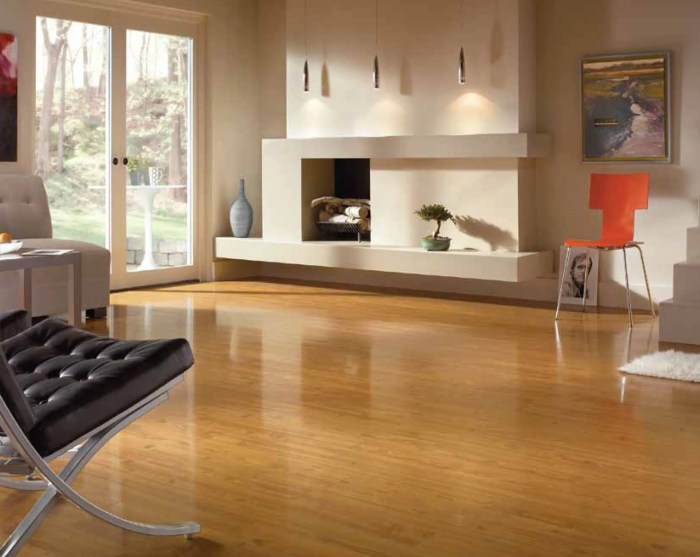
When it comes to interior design and decorating, flooring plays a crucial role in setting the tone and tying together all the design elements in a space. The right flooring can enhance the overall aesthetic of a room and create a cohesive look that complements the decor.
Choosing Flooring Colors and Textures
When choosing flooring colors and textures, it’s essential to consider the existing decor of the room. Neutral colors like beige, gray, or white are versatile options that can work well with a variety of design styles. Textures like hardwood, laminate, or carpet can add depth and dimension to a room.
Creating Visual Interest through Flooring Patterns and Layouts
Using flooring patterns and layouts is a great way to add visual interest to a space. For example, herringbone or chevron patterns can create a sophisticated and elegant look, while geometric patterns can add a modern touch. Mixing different types of flooring or using borders can also help define different areas within a room.
Tying Together Different Design Elements
Flooring can act as a unifying element in a space by connecting different design elements together. For example, if you have a minimalist decor with clean lines and simple furniture, a sleek hardwood floor can enhance the overall look. On the other hand, a cozy rug on a tile floor can soften the space and add warmth.
Bath and Shower
When it comes to selecting flooring options for bathrooms and showers, water resistance and safety are top priorities. The materials chosen should be able to withstand moisture and provide a non-slip surface to prevent accidents in wet areas.
Best Flooring Options for Bathrooms and Showers
- Ceramic or Porcelain Tiles: These are popular choices for bathroom flooring due to their water resistance and durability. They come in a variety of designs and are easy to clean.
- Vinyl: Vinyl flooring is also water-resistant and available in different styles. It is softer underfoot compared to tiles and provides a warmer feel.
- Natural Stone: Materials like marble, granite, or slate can add a luxurious touch to a bathroom. However, they require more maintenance to prevent water damage.
Tips for Selecting Non-Slip Flooring Materials
- Look for textured surfaces: Opt for flooring materials with a textured surface to provide better grip and reduce the risk of slipping.
- Choose matte finishes: Matte finishes are less slippery than glossy ones, making them a safer option for bathroom floors.
- Consider rubber flooring: Rubber flooring is inherently slip-resistant and provides a cushioned surface for added comfort.
Durability of Different Flooring Options in Wet Areas
- Ceramic or Porcelain Tiles: These tiles are highly durable and can withstand moisture, making them suitable for wet areas like bathrooms and showers.
- Vinyl: Vinyl flooring is also durable and resistant to water damage, making it a practical choice for bathrooms.
- Natural Stone: While natural stone is elegant, it requires sealing to prevent water damage and maintain its durability in wet environments.
Design Considerations for Bathroom Flooring Choices
- Color and pattern: Choose flooring materials that complement the overall design of the bathroom and create a cohesive look.
- Size of the tiles: Larger tiles can make a small bathroom appear more spacious, while smaller tiles can add texture and visual interest.
- Maintenance: Consider the maintenance requirements of the flooring material and choose one that fits your lifestyle and cleaning habits.
House Plans
When planning a new house, flooring choices should be considered in the early stages to ensure that the design and materials align with the overall vision of the home. The flooring sets the tone for the entire space and can greatly impact the functionality and aesthetic appeal of the house.
Influence of Floor Plans on Flooring Materials
- Open floor plans that combine multiple living areas may benefit from a cohesive flooring material throughout to create flow and continuity.
- For homes with separate rooms, different flooring materials can be used to define and differentiate each space while still maintaining a cohesive design.
- The layout of the house, such as the presence of stairs, transitions between rooms, and traffic flow, should also influence the choice of flooring materials for durability and safety.
Coordinating Flooring Choices with House Design
- Consider the architectural style of the house when selecting flooring materials to ensure they complement the overall design aesthetic.
- Choose flooring options that enhance the natural light, color scheme, and interior elements of the house to create a harmonious living environment.
- Ensure that the flooring choices align with the function of each space, such as using water-resistant materials in bathrooms and kitchens for practicality.
Adapting Flooring Options to Different House Plans
- Opt for versatile flooring materials like hardwood or laminate that can easily adapt to various house plans and layouts while offering durability and timeless appeal.
- Consider the maintenance requirements of different flooring options based on the size of the house and the lifestyle of the residents to ensure long-term satisfaction with the choice.
- Experiment with different textures, patterns, and colors to add visual interest and personality to the house while still maintaining a cohesive design scheme.
Feng Shui
Feng Shui is an ancient Chinese practice that focuses on harmonizing individuals with their surrounding environment to promote positive energy flow. One key aspect of Feng Shui in homes is the selection of flooring materials, colors, and patterns to enhance the overall energy balance and create a harmonious living space.When it comes to flooring choices, certain materials can impact the energy flow in a home according to Feng Shui principles.
For example, hardwood floors are believed to promote warmth and vitality, while carpeting can create a sense of coziness and comfort. It is essential to consider the specific energy qualities associated with each type of flooring material to ensure they align with the desired energy flow in a space.
Selecting Flooring Colors and Patterns
In Feng Shui, colors play a significant role in influencing the energy of a space. When selecting flooring colors, it is essential to choose hues that promote harmony and balance. For instance, earth tones like beige, brown, and green are believed to create a grounding effect, while light colors can enhance the flow of energy throughout a room. Additionally, incorporating patterns such as geometric shapes or flowing designs can further enhance the Feng Shui of a space.
Enhancing Feng Shui with Flooring Choices
The flooring choices in a home can have a profound impact on the overall Feng Shui of a space. For example, using natural materials like bamboo or cork flooring can promote a sense of tranquility and connection to nature. Additionally, incorporating rugs or carpets with symbolic motifs or designs can enhance specific areas of a room related to health, wealth, or relationships.
By carefully selecting flooring materials, colors, and patterns, homeowners can create a harmonious environment that supports positive energy flow.
Significance of Flooring in Creating a Harmonious Living Environment
In Feng Shui, flooring is considered a foundational element that sets the tone for the energy flow within a space. The type of flooring chosen can influence the overall ambiance and atmosphere of a room, impacting the well-being and harmony of its occupants. By paying attention to the principles of Feng Shui when selecting flooring options, individuals can create a living environment that promotes balance, positivity, and overall well-being.
Heating and Air Conditioning
When it comes to choosing flooring for your home, it’s important to consider how different materials can impact the efficiency of your heating and air conditioning systems. The type of flooring you select can have a significant effect on how well your home retains heat in the winter and stays cool in the summer. Let’s explore the relationship between flooring choices and indoor temperature regulation.
Impact of Flooring on Heating and Cooling Efficiency
Choosing the right flooring material can make a difference in how well your home maintains a comfortable indoor temperature. Here are some tips to help you select flooring that can improve the efficiency of your heating and air conditioning systems:
- Opt for materials with good insulation properties, such as carpet or cork, to help retain heat in the winter and keep cool air in during the summer.
- Consider flooring options like hardwood or tile that can help distribute heat more evenly throughout your home, reducing the workload on your HVAC system.
- Choose flooring that is compatible with radiant heating systems if you want to maximize energy efficiency and warmth in your home.
Comparing Insulation Properties of Flooring Options
Not all flooring materials offer the same level of insulation. Here is a comparison of the insulation properties of common flooring options:
| Flooring Material | Insulation Properties |
|---|---|
| Carpet | Provides good insulation and helps retain heat. |
| Hardwood | Less insulating but allows for better heat distribution. |
| Tile | Minimal insulation but works well with radiant heating systems. |
Impact of Flooring Choices on Energy Consumption
Your flooring decisions can directly impact your energy consumption and the efficiency of your HVAC systems. Here’s how different flooring choices can affect your home:
- Carpet can help reduce the need for constant heating or cooling, lowering your energy bills.
- Tile floors can stay cool in the summer, reducing the reliance on air conditioning to maintain a comfortable temperature.
- Choosing the right flooring material can lead to long-term energy savings and a more sustainable home environment.
In conclusion, the right flooring can transform your home into a sanctuary of elegance and practicality. Choose wisely, and let your floors be the foundation of lasting comfort and beauty in your living space.
General Inquiries
What are the best flooring options for high-traffic areas?
Hardwood and laminate are excellent choices for areas with heavy foot traffic due to their durability and easy maintenance.
Is vinyl flooring a good option for kitchens?
Yes, vinyl flooring is a popular choice for kitchens as it is water-resistant, easy to clean, and comes in a variety of styles.
Are there eco-friendly alternatives to traditional flooring materials?
Bamboo, cork, and reclaimed wood are sustainable options that offer a green alternative to conventional flooring materials.
How can I ensure my bathroom flooring is slip-resistant?
Opt for non-slip materials like textured tiles or slip-resistant vinyl to enhance safety in wet areas like bathrooms.
What flooring colors work best for creating a sense of space?
Lighter shades like whites, beiges, and light greys can visually expand a room and create a sense of openness.


