
As Energy-efficient kitchen appliances takes center stage, this opening passage beckons readers with casual formal language style into a world crafted with good knowledge, ensuring a reading experience that is both absorbing and distinctly original.
Energy efficiency in appliances is a crucial aspect of modern living, impacting not just energy consumption but also sustainability. Let’s delve into the realm of energy-efficient kitchen appliances and explore how they can revolutionize your home.
Energy-efficient Kitchen Appliances
Energy-efficient kitchen appliances are designed to consume less energy while still providing the same level of performance as standard appliances. These appliances help reduce electricity bills and minimize environmental impact by conserving energy.
Key Features of Energy-efficient Kitchen Appliances
- Energy Star Certification: Look for appliances with the Energy Star label, which indicates that the product meets strict energy efficiency guidelines set by the Environmental Protection Agency.
- High Energy Efficiency Ratio (EER): Check for appliances with a high EER rating, which means they can deliver more energy-efficient performance.
- Advanced Insulation: Opt for appliances with advanced insulation to prevent energy loss and improve overall efficiency.
Comparison of Energy Consumption
Standard appliances typically consume more energy compared to energy-efficient ones. For example, an energy-efficient refrigerator can use up to 40% less energy than a standard model, leading to significant cost savings over time.
Popular Energy-efficient Kitchen Appliances
| Appliance | Energy-saving Features |
|---|---|
| Induction Cooktop | Heats up faster and wastes less heat compared to traditional stovetops. |
| Energy-efficient Dishwasher | Uses less water and energy per cycle, reducing overall consumption. |
| LED Lighting | Uses less energy and has a longer lifespan compared to traditional lighting options. |
Home Inspections
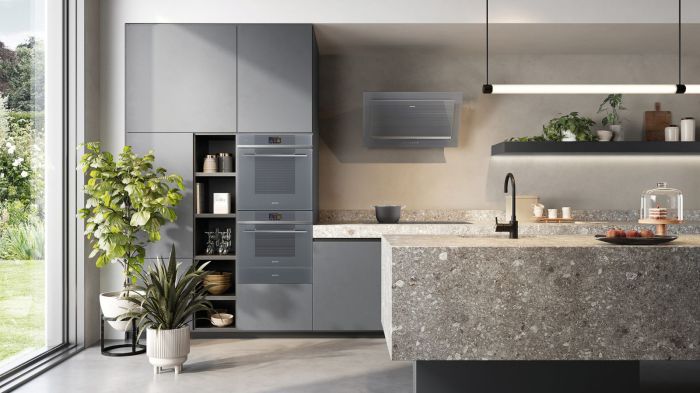
In the process of home inspections, the importance of energy-efficient appliances cannot be overstated. These appliances play a significant role in the overall energy efficiency of a home, affecting both the environment and the homeowner’s utility bills.
Impact on Home Value
Energy-efficient appliances can have a positive impact on the overall value of a home. Potential buyers are increasingly looking for homes with energy-efficient features, as they not only save money on energy bills but also contribute to a more sustainable lifestyle. Therefore, having energy-efficient appliances installed can increase the market value of a home.
What to Look for During a Home Inspection
During a home inspection, it is essential to pay attention to the energy efficiency of the appliances. Look for appliances with the ENERGY STAR label, which indicates that they meet strict energy efficiency guidelines set by the Environmental Protection Agency. Additionally, check for features such as energy-saving modes, smart technology for optimal energy consumption, and proper insulation to ensure maximum efficiency.
Upgrade Benefits on Inspection Report
Upgrading to energy-efficient appliances can have a positive impact on a home inspection report. Not only does it demonstrate the homeowner’s commitment to sustainability, but it also shows that the home is equipped with modern, energy-saving technology. This can lead to a higher appraisal value and a smoother selling process for the homeowner.
Kitchen Improvements
Switching to energy-efficient kitchen appliances can greatly enhance the functionality of your kitchen while also reducing energy consumption and saving on utility bills. These appliances are designed to perform efficiently, using less energy without compromising on performance.
Cost-Saving Benefits
- Energy-efficient appliances consume less energy, resulting in lower electricity bills over time.
- Some energy-efficient appliances may qualify for rebates or tax incentives, providing additional savings.
- Long-term cost savings can be significant, offsetting the initial investment in energy-efficient appliances.
Incorporating Energy-Efficient Appliances
- When planning a kitchen improvement project, consider replacing old appliances with energy-efficient models to upgrade the overall efficiency of the space.
- Look for ENERGY STAR certified appliances that meet strict energy efficiency guidelines set by the EPA.
- Consider installing LED lighting fixtures in the kitchen for additional energy savings and improved lighting quality.
Examples of Energy-Efficient Kitchen Improvement Projects
- Upgrading to an energy-efficient refrigerator, dishwasher, and stove to reduce energy consumption and improve functionality.
- Installing a smart thermostat to regulate the temperature in the kitchen and optimize energy usage.
- Adding a skylight or larger windows to increase natural light and reduce the need for artificial lighting during the day.
Home Improvement and Furniture
Energy-efficient appliances play a crucial role in overall home improvement projects as they not only help reduce energy consumption and utility costs but also contribute to creating a more sustainable and environmentally friendly living space. When it comes to furniture choices, opting for energy-efficient appliances can complement the overall aesthetic and functionality of the home, enhancing the modern and eco-friendly appeal.
Integrating Energy-Efficient Appliances with Furniture
- Consider the color and style of the appliances to match or contrast with the existing furniture for a cohesive look.
- Ensure that the size and placement of the appliances fit well within the furniture layout to maintain a harmonious flow in the space.
- Incorporate smart storage solutions within furniture designs to accommodate the specific needs of energy-efficient appliances, such as recycling bins or charging stations.
Popular Trends in Energy-Efficient Appliances and Modern Furniture
- Minimalist and sleek designs in both appliances and furniture are a popular choice for a contemporary look with a focus on efficiency.
- Open-concept living spaces often feature integrated appliances that blend seamlessly with multifunctional furniture pieces for a streamlined and clutter-free environment.
- Eco-conscious homeowners are leaning towards sustainable materials for both furniture and appliances, creating a cohesive and environmentally responsible home design.
Flooring
Energy-efficient kitchen appliances can influence flooring choices in a kitchen by providing the opportunity to opt for materials that complement their modern and sleek design. The flooring in a kitchen not only serves as a functional element but also plays a significant role in the overall aesthetics of the space. It is essential to choose flooring that not only looks good but also works well with energy-efficient appliances to create a cohesive and efficient kitchen design.
Importance of Cohesive Design
Creating a cohesive design between energy-efficient appliances and flooring is crucial to ensure that the kitchen looks visually appealing and functions efficiently. When the flooring complements the appliances, it helps tie the entire space together, creating a harmonious and well-coordinated look. Additionally, choosing flooring materials that work well with energy-efficient appliances can enhance the overall energy efficiency of the kitchen.
- One example of flooring material that works well with energy-efficient kitchen appliances is bamboo. Bamboo flooring is a sustainable option that complements the modern look of energy-efficient appliances. It is also durable and easy to maintain, making it a practical choice for a kitchen.
- Another suitable option is cork flooring, which is not only eco-friendly but also provides a soft and comfortable surface to stand on while cooking. Cork flooring is also resistant to mold and mildew, making it a hygienic choice for the kitchen.
- Tile flooring, such as porcelain or ceramic tiles, is also a popular choice for kitchens with energy-efficient appliances. Tile flooring is durable, easy to clean, and comes in a wide range of styles and colors to complement different appliance designs.
Tips for Maintenance
Maintaining both flooring and appliances is essential for their longevity and efficiency. Regular cleaning and proper care can help prevent damage and ensure that both the flooring and appliances perform optimally.
- For flooring, make sure to sweep or vacuum regularly to remove dirt and debris that can scratch the surface. Use a damp mop with a mild cleaner to clean the flooring without causing damage.
- When it comes to appliances, follow the manufacturer’s instructions for cleaning and maintenance. Regularly clean the appliances, including the coils and filters, to ensure they operate efficiently and last longer.
- Consider placing rugs or mats in high-traffic areas to protect the flooring from wear and tear caused by foot traffic. This can help maintain the appearance and durability of the flooring over time.
Furniture
When it comes to designing an energy-efficient kitchen, selecting the right furniture is crucial in enhancing the overall efficiency of your appliances. Furniture not only adds to the aesthetics of your kitchen but also plays a significant role in ensuring that your energy-efficient appliances operate optimally.
Importance of Furniture Selection
- Choose furniture that complements the design and functionality of your energy-efficient appliances to create a cohesive look in your kitchen.
- Opt for materials that are sustainable and eco-friendly to align with the energy-saving features of your appliances.
- Select furniture pieces that provide adequate storage and organization to reduce clutter and improve the efficiency of your kitchen workflow.
Impact of Furniture Placement
- Proper placement of furniture can affect the airflow and ventilation around your appliances, ensuring they operate efficiently.
- Ensure that there is enough clearance around appliances such as refrigerators, ovens, and dishwashers to allow for proper ventilation and prevent overheating.
- Strategic placement of furniture can also help in maximizing natural light and ventilation, reducing the need for artificial lighting and ventilation systems.
Tips for Arranging Furniture
- Consider the workflow in your kitchen and arrange furniture to create designated zones for cooking, prepping, and dining to optimize the performance of your appliances.
- Use multipurpose furniture such as kitchen islands with built-in storage or seating to maximize space efficiency and functionality in your kitchen.
- Keep furniture away from heat sources to prevent damage and ensure the longevity of both your furniture and appliances.
Furniture Styles for Energy-Efficient Appliances
- Modern and minimalist furniture designs complement the sleek and efficient look of energy-efficient appliances, creating a cohesive and contemporary kitchen aesthetic.
- Natural wood or bamboo furniture adds a warm and organic touch to your kitchen while aligning with the sustainability aspect of energy-efficient appliances.
Green Living
Using energy-efficient appliances is a key component of a sustainable and eco-friendly lifestyle. These appliances are designed to consume less energy, resulting in reduced electricity usage and lower carbon emissions. By incorporating energy-efficient appliances into daily living, individuals can significantly decrease their environmental impact and contribute to a greener planet.
Environmental Benefits
- Energy-efficient appliances help conserve natural resources by reducing the demand for electricity, which is often generated through the burning of fossil fuels.
- These appliances produce fewer greenhouse gas emissions, helping to mitigate climate change and preserve the environment for future generations.
- By using less energy, energy-efficient appliances also promote energy independence and reduce the reliance on non-renewable energy sources.
Alignment with Green Living Principles
- Energy-efficient appliances align with the principles of green living by promoting sustainability, conservation, and environmental responsibility.
- They support the idea of living in harmony with nature and minimizing one’s ecological footprint through conscious consumption choices.
- By choosing energy-efficient appliances, individuals can actively contribute to the global effort to combat climate change and protect the planet.
Creating a Green Living Space
- When creating a green living space, prioritize the use of energy-efficient appliances in the kitchen, such as refrigerators, dishwashers, and stoves.
- Look for appliances with high Energy Star ratings, which indicate superior energy efficiency and environmental performance.
- Consider investing in smart appliances that optimize energy usage based on usage patterns and environmental conditions.
Interior Design and Decorating
When it comes to interior design and decorating, energy-efficient appliances play a crucial role in enhancing the overall aesthetics of the kitchen. Not only do these appliances contribute to a more sustainable and eco-friendly environment, but they also come in sleek and modern designs that can elevate the style of any kitchen.
Enhancing Aesthetics with Energy-Efficient Appliances
- Energy-efficient appliances often feature streamlined designs and modern finishes that add a touch of sophistication to the kitchen space.
- The sleek and stylish appearance of these appliances can complement various design styles, from contemporary to minimalist, creating a cohesive look in the kitchen.
- By choosing energy-efficient appliances with a visually appealing design, homeowners can achieve a harmonious and elegant kitchen interior that reflects their commitment to sustainability.
Role of Energy-Efficient Appliances in Interior Design Choices
- Energy-efficient appliances serve as both functional elements and design focal points in the kitchen, influencing the overall layout and aesthetic appeal of the space.
- Integrating these appliances into the design allows for a seamless and cohesive look that enhances the visual appeal of the kitchen while promoting sustainability.
- Designers and homeowners can prioritize energy efficiency by selecting appliances that not only reduce energy consumption but also blend seamlessly with the chosen interior design style.
Tips for Integrating Energy-Efficient Appliances into Decorating Styles
- Choose energy-efficient appliances that complement the existing color palette and design elements in the kitchen to maintain a cohesive look.
- Opt for built-in or integrated appliances to create a streamlined and clutter-free appearance that enhances the overall aesthetic of the space.
- Consider the size and placement of energy-efficient appliances to ensure they fit seamlessly into the kitchen layout without compromising functionality or style.
Examples of Well-Designed Kitchens with Energy-Efficient Appliances
- A modern kitchen featuring stainless steel energy-efficient appliances that blend seamlessly with the sleek cabinetry and countertops, creating a contemporary and stylish space.
- A farmhouse-style kitchen with energy-efficient appliances in classic finishes like matte black or white, adding a touch of charm and warmth to the traditional design.
- An open-concept kitchen with energy-efficient appliances integrated into custom cabinetry and storage solutions, maximizing space efficiency while maintaining a modern and sophisticated look.
Bath and Shower
When it comes to energy-efficient kitchen appliances, the impact on water usage extends beyond just the kitchen. These appliances can also play a significant role in conserving water in baths and showers.
Energy-efficient appliances such as dishwashers and washing machines can help reduce water consumption by using less water during their cycles. This not only saves water but also reduces the energy required to heat the water, further contributing to overall conservation efforts.
Coordinating Energy-Efficient Appliances with Water-Saving Fixtures
One way to maximize water conservation in baths and showers is to pair energy-efficient kitchen appliances with water-saving fixtures. For example, installing low-flow showerheads and faucets can complement the efforts of energy-efficient appliances by further reducing water usage.
- Consider investing in a tankless water heater to provide hot water on demand, reducing the amount of water wasted while waiting for it to heat up.
- Install dual-flush toilets that allow for different flushing options based on the amount of water needed.
Energy-Efficient Bath and Shower Designs
Designing baths and showers with energy-efficient principles in mind can further enhance water conservation efforts in the home. Here are some examples:
- Opt for a rainwater harvesting system to collect and reuse water for flushing toilets and watering plants.
- Incorporate gray water recycling systems to reuse water from baths and showers for non-potable purposes.
House Plans
Energy-efficient appliances play a crucial role in influencing the layout and design of house plans. When designing a kitchen space in house plans, it is essential to consider energy efficiency to optimize the usage of these appliances. Below are some tips on how to accommodate energy-efficient kitchen appliances in house plans:
Importance of Energy Efficiency in Kitchen Design
When designing house plans, considering energy efficiency in the kitchen space is vital for reducing energy consumption and promoting sustainability. By strategically placing energy-efficient appliances and incorporating features like natural lighting and proper ventilation, homeowners can create a more eco-friendly and cost-effective kitchen environment.
Tips for Optimizing House Plans for Energy-Efficient Appliances
- Ensure proper space allocation for energy-efficient appliances such as refrigerators, dishwashers, and ovens to maximize functionality and accessibility.
- Incorporate energy-saving features like LED lighting, smart thermostats, and efficient ventilation systems into the overall design of the kitchen space.
- Choose energy-efficient materials for countertops, cabinets, and flooring to further enhance the sustainability of the kitchen space.
Examples of Energy-Efficient House Plans
House plans that prioritize energy efficiency often feature open layouts with centralized kitchen areas that promote efficient workflow and easy access to energy-efficient appliances. These plans may also include designated spaces for recycling and composting, as well as energy-efficient heating and cooling systems to minimize energy waste.
Feng Shui
Feng Shui is the ancient Chinese practice of arranging physical objects to create a harmonious flow of energy in a space. When it comes to the kitchen, incorporating energy-efficient appliances can further enhance the positive energy and promote a sense of well-being in the home.
Principles of Feng Shui in Kitchen Appliances Placement
In Feng Shui, the kitchen is considered a vital area as it represents nourishment and prosperity. By strategically placing energy-efficient appliances in the kitchen, you can improve the flow of energy and create a more balanced environment. Here are some tips to align Feng Shui practices with the selection and placement of energy-efficient appliances:
- Avoid placing the stove directly opposite the sink or refrigerator to prevent conflicting elements.
- Keep appliances clean and in good working order to maintain positive energy flow.
- Position the refrigerator away from the stove to prevent the cooling energy from affecting the cooking process.
- Use natural materials like wood or stone for countertops to enhance the grounding energy in the kitchen.
Examples of Feng Shui Kitchen Layouts with Energy-efficient Appliances
Incorporating Feng Shui principles into the layout of your kitchen while integrating energy-efficient appliances can create a harmonious and functional space. Here are some examples of kitchen layouts that adhere to Feng Shui guidelines:
| Kitchen Layout | Feng Shui Placement | Energy-efficient Appliances |
|---|---|---|
| Galley Kitchen | Clear pathways for energy flow | Energy-efficient refrigerator and dishwasher |
| L-Shaped Kitchen | Optimal work triangle for efficiency | Energy-efficient stove and microwave |
| Open Concept Kitchen | Unified space for social interaction | Energy-efficient oven and range hood |
Heating and Air Conditioning
When considering energy-efficient kitchen appliances, it’s essential to understand how they can impact the heating and air conditioning systems in a home. These appliances play a significant role in overall energy consumption and can affect the efficiency of heating and cooling systems.
Interconnectedness between Appliances and Heating/Cooling Efficiency
Energy-efficient kitchen appliances can contribute to lower energy consumption, which in turn reduces the workload on heating and air conditioning systems. By using appliances that are designed to be energy-efficient, homeowners can help maintain a more stable indoor temperature, reducing the need for excessive heating or cooling.
- Energy-efficient refrigerators, stoves, and dishwashers produce less heat during operation, reducing the strain on air conditioning systems in the summer.
- Efficient appliances also consume less electricity, resulting in lower energy bills and reduced overall energy usage in the home.
- Proper ventilation and insulation in the kitchen can further enhance the efficiency of heating and cooling systems, working in conjunction with energy-efficient appliances.
Coordinating Appliances with Heating and Air Conditioning Units
To maximize energy savings, homeowners can coordinate the use of energy-efficient kitchen appliances with their heating and air conditioning units. This coordination can be achieved through smart home systems that allow for seamless integration and control of appliances and HVAC systems.
- Programmable thermostats can be synced with energy-efficient appliances to optimize energy usage based on daily routines and usage patterns.
- Smart home technologies, such as sensors and automated controls, can adjust heating and cooling settings in response to the operation of kitchen appliances, ensuring efficient energy use.
- Regular maintenance and servicing of heating and air conditioning systems can further enhance their efficiency when paired with energy-efficient appliances.
Examples of Smart Home Systems
There are various smart home systems available that integrate energy-efficient appliances with heating and air conditioning controls to enhance energy savings and overall efficiency. Examples include:
Nest Learning Thermostat
Learns household routines and adjusts heating and cooling settings accordingly, working in tandem with energy-efficient appliances.
Samsung SmartThings
Allows for centralized control of appliances and HVAC systems, optimizing energy usage and comfort levels in the home.
Ecobee SmartThermostat
Utilizes room sensors to detect occupancy and adjust heating and cooling, complementing the energy efficiency of kitchen appliances.
In conclusion, Energy-efficient kitchen appliances offer a blend of functionality, style, and environmental consciousness. By embracing these appliances, you’re not just upgrading your kitchen but also contributing to a greener future. Make the switch today and experience the benefits firsthand.
FAQ Summary
What are the key features to look for in energy-efficient kitchen appliances?
Look for appliances with high Energy Star ratings, efficient cooling and heating systems, and smart technology for optimal energy savings.
How do energy-efficient appliances impact overall home value?
Energy-efficient appliances can increase home value by showcasing a commitment to sustainability, lower utility bills, and modern living standards.
What are some examples of popular energy-efficient kitchen appliances on the market?
Popular choices include Energy Star refrigerators, induction cooktops, convection ovens, and energy-efficient dishwashers.


