
Embark on a journey through the realm of flooring installation costs, where we unravel the key factors, delve into average costs, and equip you with essential budgeting tips.
Learn how to navigate the intricate world of flooring expenses with confidence and clarity.
Flooring Installation Costs
When it comes to flooring installation costs, several factors can influence the final price you pay. These factors include the type of flooring material, the size of the area to be covered, the complexity of the installation process, and the contractor’s labor costs. It’s essential to consider all these elements when budgeting for your flooring project.
Average Costs for Popular Flooring Types
- Hardwood: Hardwood flooring installation costs typically range from $8 to $12 per square foot. However, prices can vary based on the type of wood used and the intricacy of the installation process.
- Laminate: Laminate flooring is a more budget-friendly option, with installation costs averaging between $2 to $8 per square foot. The cost can be higher for premium laminate materials or complex installation requirements.
- Tile: Tile flooring installation costs can vary widely, ranging from $5 to $15 per square foot. Factors such as the type of tile, pattern complexity, and underlayment requirements can impact the overall cost.
- Carpet: Carpet installation costs range from $3 to $10 per square foot, depending on the carpet quality, padding type, and installation method chosen. Additional services like carpet removal and subfloor preparation can also affect the total cost.
Importance of Getting Multiple Quotes
Receiving multiple quotes from different flooring contractors is crucial to ensure you are getting a competitive price for your project. By comparing quotes, you can evaluate the cost breakdown, materials used, labor fees, and overall project timeline. This allows you to make an informed decision and select the contractor that best fits your budget and requirements.
Tips for Budgeting Effectively
- Set a realistic budget based on your desired flooring type and the size of the area to be covered.
- Consider any additional costs such as removal of existing flooring, subfloor repairs, or furniture moving.
- Research different flooring materials and their associated installation costs to choose the option that aligns with your budget.
- Request detailed quotes from multiple contractors and ask about any potential hidden fees or additional charges.
- Plan ahead and allocate funds for unexpected expenses or unforeseen issues that may arise during the installation process.
Home Inspections
Home inspections play a crucial role in determining the flooring installation needs of a property. Inspectors carefully assess the condition of the existing floors to identify any issues that may impact the installation process.
Existing Flooring Conditions
During a home inspection, existing flooring conditions are carefully evaluated to determine if they are suitable for new flooring installation. Issues such as water damage, cracks, uneven surfaces, or signs of wear and tear can affect the overall inspection process.
Common Flooring Issues
- Moisture damage: Inspectors look for signs of water damage that can affect the integrity of the floors.
- Uneven surfaces: Floors that are not level can pose challenges for installing new flooring materials.
- Cracks or gaps: Any visible cracks or gaps in the existing floors need to be addressed before new flooring can be installed.
- Wear and tear: Excessive wear and tear on the floors can indicate the need for replacement or repair.
Impact on Property Value
Addressing flooring problems identified in a home inspection can have a significant impact on the overall value of a property. By fixing existing flooring issues, homeowners can improve the aesthetics, functionality, and safety of their home, ultimately increasing its market value.
Kitchen Improvements
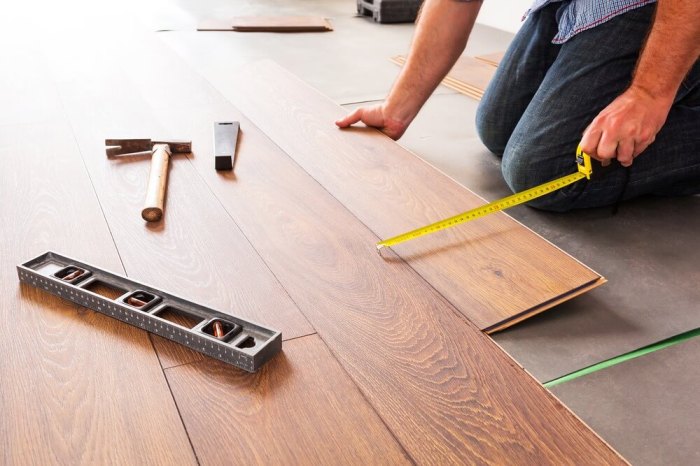
When it comes to enhancing the overall look and functionality of a kitchen, the flooring plays a crucial role. Not only does it set the tone for the design aesthetic, but it also needs to withstand the high traffic and potential spills that are common in a kitchen environment.
Popular Flooring Options for Kitchens
- Tile: Tile flooring is a popular choice for kitchens due to its durability and easy maintenance. It comes in a variety of styles, colors, and patterns, allowing for customization to suit any kitchen design. The cost of tile flooring installation can range from $5 to $15 per square foot.
- Hardwood: Hardwood flooring adds warmth and elegance to a kitchen space. It is durable and can be sanded and refinished to maintain its appearance over time. Hardwood flooring installation costs typically range from $8 to $12 per square foot.
- Laminate: Laminate flooring is a budget-friendly option that mimics the look of hardwood or tile. It is easy to clean and resistant to scratches and stains. The cost of laminate flooring installation is usually between $2 to $8 per square foot.
Coordinating Flooring Choices with Other Kitchen Improvements
When choosing flooring for your kitchen, it is essential to consider how it will complement other design elements such as cabinetry and countertops. For example, if you have dark cabinets, a lighter flooring option can create a visually appealing contrast. Similarly, coordinating the colors and textures of your flooring with your countertops can tie the whole look together for a cohesive design.
Importance of Durable and Easy-to-Clean Flooring
Selecting durable and easy-to-clean flooring for your kitchen is crucial due to the high traffic and potential for spills in this area. Opting for flooring materials that are resistant to stains, scratches, and moisture will ensure that your kitchen floor remains in top condition for years to come. Additionally, easy-to-clean flooring will make your daily maintenance routine more manageable, saving you time and effort in the long run.
Home Improvement and Furniture
When it comes to home improvement projects, flooring installation plays a crucial role in enhancing the overall look and feel of a space. The type of flooring you choose can set the tone for the entire room and impact the aesthetics significantly.
One important aspect to consider is how flooring choices can complement or contrast with different furniture styles. The right flooring can seamlessly blend in with your existing furniture, creating a cohesive and harmonious look. On the other hand, contrasting flooring can add a touch of drama and visual interest to the space, making a bold statement.
Influence of Flooring on Room Aesthetics
- Hardwood floors can add warmth and elegance to a room, making it ideal for traditional or classic furniture pieces.
- Carpet flooring provides comfort and coziness, perfect for creating a relaxed and inviting atmosphere that pairs well with plush furniture.
- Tile flooring is versatile and durable, suitable for modern or minimalist furniture styles that require a sleek and clean look.
Tips for Selecting Flooring
- Consider the existing furniture in the room and choose flooring that complements its style and color palette.
- Take into account the traffic and usage of the space when selecting the type of flooring to ensure durability and longevity.
- Experiment with different flooring samples in the room to see how they interact with the furniture and overall decor before making a final decision.
Green Living
When it comes to green living, choosing eco-friendly flooring options can make a significant impact on the environment. Not only do these options offer a sustainable solution, but they also provide a healthier indoor environment for you and your family.
Eco-Friendly Flooring Options and Installation Costs
There are several eco-friendly flooring options available, such as bamboo, cork, reclaimed wood, and linoleum. These materials are not only sustainable but also durable and stylish. While the initial installation costs may be slightly higher than traditional flooring materials, the long-term benefits far outweigh the investment.
- Bamboo: Known for its rapid growth and renewability, bamboo flooring is a popular choice for eco-conscious homeowners. The installation costs for bamboo flooring can range from $5 to $10 per square foot.
- Cork: Harvested from the bark of cork oak trees, cork flooring is a natural and sustainable option. The installation costs for cork flooring typically range from $3 to $8 per square foot.
- Reclaimed Wood: Using reclaimed wood for flooring not only adds character to your space but also reduces the demand for new materials. The installation costs for reclaimed wood flooring can vary depending on the source and condition of the wood.
- Linoleum: Made from natural materials like linseed oil, cork dust, and wood flour, linoleum flooring is a biodegradable and eco-friendly option. The installation costs for linoleum flooring are generally affordable, ranging from $2 to $5 per square foot.
Environmental Benefits of Sustainable Flooring Materials
Choosing sustainable flooring materials not only helps preserve natural resources but also reduces the carbon footprint associated with traditional flooring options. By opting for eco-friendly flooring, you can contribute to a healthier planet and create a more sustainable living environment for future generations.
Reducing Environmental Impact of Flooring Installation Processes
To minimize the environmental impact of flooring installation processes, consider working with certified installers who follow sustainable practices. Additionally, choose flooring materials that are locally sourced to reduce transportation emissions and waste. Properly disposing of old flooring materials and recycling whenever possible can also help lessen the environmental impact of the installation process.
Benefits of Green Flooring Choices for Indoor Environment
Green flooring choices not only promote sustainability but also contribute to a healthier indoor environment. These materials are often free from harmful chemicals and toxins, improving indoor air quality and reducing the risk of allergies and respiratory issues. By selecting eco-friendly flooring options, you can create a safe and comfortable living space for you and your family.
Interior Design and Decorating
Interior design and decorating are essential aspects of creating a harmonious and aesthetically pleasing living space. Flooring, in particular, plays a crucial role in setting the tone for the overall design of a room. When it comes to interior design, flooring can greatly impact the look and feel of a space. The color, texture, and pattern of the flooring can either complement or contrast with other design elements such as furniture, wall color, and decor.
The Interplay Between Flooring and Design Elements
The flooring in a room can serve as a foundation for the design scheme. For example, a light-colored hardwood floor can create a sense of airiness and brightness in a room, while a dark-colored carpet can add warmth and coziness. The texture of the flooring can also add dimension and visual interest to the space, whether it’s a sleek, polished surface or a more rustic, distressed finish.
- Consider the overall color palette of the room when selecting flooring. Neutral tones like beige, gray, or white can provide a versatile backdrop for a variety of design styles, while bolder colors can make a statement or add a pop of color.
- Choose flooring materials that complement the style of the room. For example, hardwood floors are timeless and can work well in both traditional and modern spaces, while tile or stone flooring may be better suited for a contemporary aesthetic.
- Experiment with different patterns and layouts to create visual interest. Chevron or herringbone patterns can add a touch of sophistication, while a simple plank or tile layout can create a clean and streamlined look.
Flooring as a Focal Point or Neutral Backdrop
Flooring can also serve as a focal point in a room or act as a neutral backdrop for other design elements to shine. For example, a bold patterned tile floor in a bathroom can become the focal point of the space, while a simple, monochromatic carpet in a bedroom can allow the furniture and decor to take center stage.In conclusion, flooring is a key component of interior design and decorating, influencing the overall look and feel of a space.
By carefully selecting the right flooring materials, colors, textures, and patterns, you can create a cohesive and visually appealing design scheme that reflects your personal style and enhances the functionality of your home.
Bath and Shower
When it comes to bathrooms and showers, selecting the right flooring is crucial for both functionality and aesthetics. The high moisture levels in these areas require water-resistant materials to prevent damage and ensure longevity.
Importance of Water-Resistant Flooring
Water-resistant flooring is essential for bathrooms and showers to withstand the constant exposure to moisture. It helps prevent mold and mildew growth, protects the subfloor from water damage, and ensures the longevity of the flooring material.
Costs of Installing Flooring in Wet Areas
Installing flooring in wet areas like bathrooms can be more expensive due to the need for water-resistant materials and proper sealing to prevent water damage. Costs may vary depending on the type of flooring chosen, installation complexity, and the size of the area.
Tips for Choosing Slip-Resistant Flooring
Choosing slip-resistant flooring options is crucial for safety in bathrooms, especially to prevent accidents. Look for materials with textured surfaces, such as porcelain or ceramic tiles, that provide traction even when wet. Additionally, consider adding rugs or mats for extra grip.
Stylish and Functional Bathroom Design
The flooring materials you choose can greatly impact the overall design and functionality of your bathroom. Opt for stylish yet durable options like natural stone, luxury vinyl, or waterproof laminate to create a cohesive look while ensuring practicality and easy maintenance.
House Plans
When it comes to house plans, the choice of flooring can have a significant impact on the overall layout and flow of the space. Whether you opt for open floor plans or segmented spaces, the type of flooring you choose can either enhance or detract from the design and functionality of the home.
Impact of Flooring Choices
The flooring in a home can help create visual continuity or define separate areas within a house plan. For example, using the same type of flooring throughout the main living areas can create a sense of cohesion and flow, while using different flooring materials in distinct spaces can help designate specific areas such as the kitchen, living room, and dining room.
- Consider using hardwood flooring for open floor plans to create a seamless look and feel.
- Opt for carpeting in bedrooms to add warmth and comfort to these more private spaces.
- Use tiles in high-traffic areas like entryways and bathrooms for easy maintenance and durability.
Enhancing Design with Flooring
Selecting the right flooring can enhance the overall design of a house plan. For instance, choosing light-colored flooring can make a room feel larger and brighter, while dark flooring can add warmth and coziness to a space. Additionally, incorporating patterns or textures in the flooring can add visual interest and style to the room.
- Consider using patterned tiles in a foyer to make a statement and create a welcoming entrance.
- Use hardwood flooring in a herringbone pattern to add a touch of elegance and sophistication to a room.
- Opt for natural stone flooring in a bathroom to create a spa-like atmosphere and elevate the design of the space.
Feng Shui
Feng Shui is an ancient Chinese practice that focuses on creating harmony and balance in living spaces through the arrangement of furniture, decor, and even flooring choices. When it comes to flooring materials and colors, they play a crucial role in promoting positive energy flow and creating a harmonious environment in your home.
Flooring Materials and Colors in Feng Shui
In Feng Shui, the type of flooring material you choose can greatly impact the energy in different areas of your home. For example, hardwood floors are believed to promote warmth and grounding energy, while tiles can bring a sense of clarity and cleanliness. It is important to consider the specific energy you want to cultivate in each room when selecting flooring materials.
- Wood flooring: Wood is a popular choice in Feng Shui as it symbolizes growth, vitality, and abundance. Opt for natural wood colors like oak or bamboo for a calming and grounding effect.
- Carpet flooring: Soft and plush carpets can help create a cozy and inviting atmosphere, especially in bedrooms and living rooms. Choose neutral tones or pastel colors to promote relaxation and harmony.
- Tile flooring: Tiles come in a variety of colors and patterns, each with its own energy. Light-colored tiles can enhance the flow of natural light and create a sense of spaciousness, while darker tiles can add a sense of depth and grounding.
Remember to consider the Five Elements of Feng Shui (wood, fire, earth, metal, and water) when selecting flooring materials and colors to ensure a balanced and harmonious energy flow in your home.
Heating and Air Conditioning
When it comes to heating and air conditioning in your home, the type of flooring you choose can have a significant impact on the efficiency of your systems. Different flooring materials possess varying thermal properties that can influence indoor temperature regulation and energy consumption.
Impact of Flooring Materials
Choosing the right flooring can help maintain a comfortable indoor temperature and reduce the workload on your heating and cooling systems. Here are some ways flooring materials can impact the efficiency of heating and air conditioning:
- Carpeting: Carpet acts as an insulator, trapping heat and helping to keep rooms warmer. However, it can also retain dust and allergens, affecting indoor air quality.
- Hardwood: Hardwood floors are good conductors of heat, allowing for easy transfer from radiant heating systems. They can help evenly distribute warmth throughout a room.
- Tile: Tile flooring tends to stay cool, which can be beneficial in warmer climates. However, in colder regions, it may lead to a chillier indoor environment.
- Laminate: Laminate flooring is a cost-effective option that provides moderate insulation. It can help maintain a comfortable temperature without drastically affecting energy consumption.
By choosing flooring materials that complement your heating and air conditioning systems, you can create a more energy-efficient and sustainable home environment.
Explore the intricacies of flooring installation costs, armed with knowledge to make informed decisions and transform your space with style and efficiency.
Frequently Asked Questions
What factors impact flooring installation costs?
Flooring material, room size, labor costs, and additional services like removal of old flooring.
How can I effectively budget for flooring installation?
Get multiple quotes, consider all expenses including underlayment and installation, and plan for unexpected costs.
Is it necessary to get quotes from different contractors?
Yes, comparing quotes helps you find the best deal and ensures transparency in pricing.


