
Furniture restoration tips sets the stage for this informative guide, offering insights on refinishing wooden furniture, addressing common issues with antique pieces, and choosing the right finish. Get ready to dive into the world of furniture restoration!
Furniture Restoration Tips
When it comes to restoring wooden furniture, following the right steps is crucial to ensure a successful outcome. Here are some tips to help you with the process:
Refinishing Wooden Furniture
- Clean the surface of the furniture thoroughly to remove any dirt or grime.
- Sand the furniture to remove the existing finish and smooth out any imperfections.
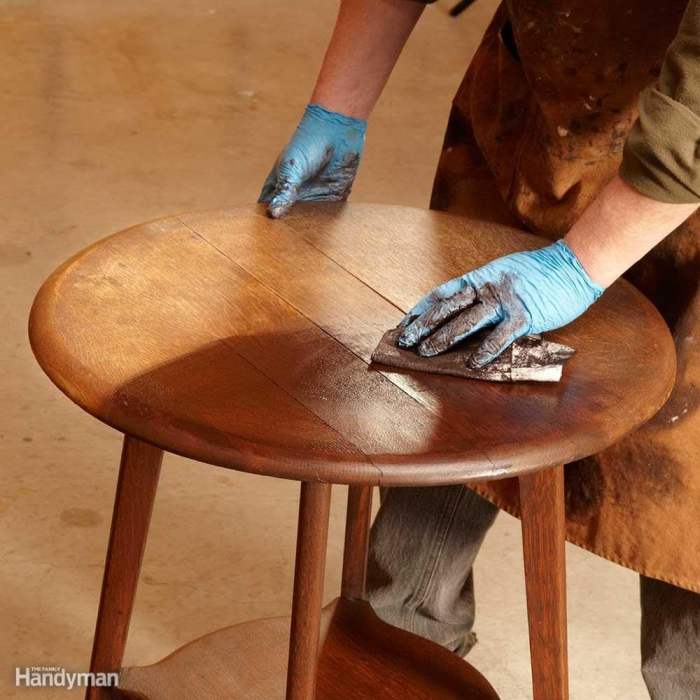
- Apply a wood stain or paint based on your desired look, following the manufacturer’s instructions.
- Finish off with a protective coat of varnish or lacquer to seal the wood and enhance its durability.
Common Issues with Antique Furniture
- Woodworm infestation: Treat the affected areas with a woodworm treatment solution to eliminate the pests.
- Cracks and splits: Use wood glue to join the pieces back together and reinforce with clamps until dry.
- Water damage: Dry out the furniture thoroughly and refinish to restore its original appearance.
Repairing Scratches and Dents in Furniture
- For minor scratches, use a touch-up marker or crayon that matches the wood color to fill in the scratch.
- For deeper scratches, fill them in with wood filler, sand the area smooth, and refinish as needed.
- To repair dents, apply a damp cloth over the dented area and iron over it on a low setting to raise the wood fibers.
Choosing the Right Finish
- Consider the type of wood and desired look when selecting a finish, whether it’s varnish, oil, wax, or shellac.
- Test the finish on a small hidden area of the furniture to ensure it achieves the desired color and effect.
- Apply the finish evenly and in thin coats, allowing each layer to dry completely before adding the next one.
Home Inspections
Regular home inspections are essential for ensuring the safety and maintenance of your living space. By conducting routine inspections, you can identify potential issues early on and address them before they escalate into costly problems. This proactive approach not only helps maintain the structural integrity of your home but also ensures a healthier and more comfortable living environment for you and your family.
Key Areas to Focus on During a Home Inspection
- Check for signs of water damage, such as leaks or mold growth, in areas like the bathroom, kitchen, and basement.
- Inspect the electrical system for any exposed wires, outdated outlets, or malfunctioning switches.
- Examine the HVAC system to ensure proper functioning and adequate ventilation throughout the house.
- Inspect the roof for missing or damaged shingles, as well as signs of wear and tear.
- Check the foundation for cracks, settling, or other structural issues that may affect the stability of the home.
How Home Inspections Can Help Identify Potential Issues with Furniture
Home inspections can also be beneficial in identifying potential issues with furniture that require restoration. By carefully examining your furniture during a home inspection, you can spot signs of wear, damage, or pest infestations that may otherwise go unnoticed. This proactive approach allows you to address any furniture restoration needs promptly, preserving the beauty and functionality of your pieces for years to come.
DIY Home Inspections for Furniture Restoration Needs
- Regularly inspect your furniture for scratches, dents, or stains that may require repair or refinishing.
- Check for loose joints, wobbly legs, or other structural issues that can be fixed with simple repairs or reinforcement.
- Examine upholstery for tears, fading, or signs of pests, and take appropriate measures to restore or replace the fabric.
- Consider consulting with a professional furniture restorer for more complex restoration projects or antique pieces that require specialized care.
Kitchen Improvements
When it comes to kitchen improvements, incorporating restored furniture can add character and charm to the space. Whether you’re looking to refresh your kitchen cabinets, countertops, tables, or chairs, there are plenty of ways to breathe new life into your kitchen decor.
Incorporating Restored Furniture
One way to incorporate restored furniture into your kitchen decor is by mixing and matching different pieces for a unique look. Consider pairing a refurbished vintage dining table with modern chairs for a stylish contrast. You can also use a restored wooden hutch as a display cabinet to showcase your favorite kitchenware.
Restoring Kitchen Cabinets and Countertops
- Start by thoroughly cleaning the cabinets and countertops to remove any dirt or grime.
- Consider painting or refinishing the cabinets for a fresh new look. You can choose a color that complements the rest of your kitchen decor.
- For countertops, sanding and resealing can help restore their original shine. You can also consider adding a new layer of paint or stain for a different finish.
Refinishing Kitchen Tables and Chairs
- Begin by sanding down the surfaces of the tables and chairs to remove any existing finish.
- Apply a fresh coat of paint or stain to match your desired look and style.
- Consider adding new upholstery or cushions to the chairs for added comfort and a touch of elegance.
Repurposing Old Furniture for Kitchen Storage Solutions
- Transform an old dresser into a kitchen island with added storage space for pots, pans, and utensils.
- Convert a vintage armoire into a pantry for storing dry goods, spices, and other kitchen essentials.
- Repurpose an old bookshelf as open shelving for displaying dishes, glassware, and cookbooks.
Home Improvement and Furniture
When it comes to home improvement projects, furniture restoration can be a cost-effective and rewarding way to breathe new life into your living space. Restoring furniture not only allows you to preserve pieces with sentimental value but also gives you the opportunity to showcase your creativity and style.
Comparing Restoration Techniques for Different Furniture Materials
Restoring furniture involves a variety of techniques depending on the material of the piece. Here are some common methods:
- Wood Furniture: Sanding, staining, and refinishing are typical techniques used to restore wooden furniture.
- Metal Furniture: Cleaning, sanding, and repainting can help revitalize metal furniture pieces.
- Upholstered Furniture: Reupholstering, repairing springs, and replacing cushions are key steps in restoring upholstered furniture.
Benefits of Restoring Furniture vs. Buying New
There are several advantages to restoring furniture instead of purchasing new pieces:
- Cost-Effective: Restoring furniture is often more budget-friendly than buying new, especially for high-quality pieces.
- Environmental Impact: Restoring furniture reduces waste and promotes sustainability by giving old pieces a new life.
- Personalization: Restored furniture can be customized to fit your style and preferences, adding a unique touch to your home.
Creative Ideas for Integrating Restored Furniture into Home Improvement Projects
Integrating restored furniture into your home improvement projects can add character and charm to your space. Here are some creative ideas:
- Repurpose an old dresser into a stylish bathroom vanity.
- Use reclaimed wood to create a custom headboard for your bed.
- Turn an antique trunk into a unique coffee table for your living room.
Tools and Materials Needed for Successful Furniture Restoration
Having the right tools and materials is essential for a successful furniture restoration project. Here are some key items you may need:
- Sandpaper and sanding blocks for smoothing surfaces.
- Stain, paint, or varnish for refinishing wood furniture.
- Upholstery fabric, foam, and batting for reupholstering pieces.
- Screwdrivers, pliers, and hammers for making repairs.
Flooring
When it comes to home improvement projects, flooring renovation and furniture restoration often go hand in hand. The right combination of restored furniture and newly updated flooring can completely transform the look and feel of a room, creating a cohesive and stylish space.
During furniture restoration projects, it’s essential to consider the impact that the furniture can have on different types of flooring materials. Heavy furniture pieces can scratch or dent hardwood floors, while sharp edges can damage carpeting. By taking precautions and using protective pads or rugs, you can prevent potential damage and keep your floors looking their best.
Protecting Floors During Restoration
- Place felt pads or coasters under furniture legs to prevent scratching on hardwood floors.
- Use rugs or carpet protectors under heavy furniture pieces to distribute weight and avoid indentations.
- Consider using furniture sliders when moving heavy items to prevent dragging and scratching on floors.
Furniture Style and Flooring Choices
- Choose furniture styles that complement the overall aesthetic of your flooring – for example, modern furniture may pair well with sleek, contemporary flooring options.
- Consider the color and texture of your flooring when selecting furniture pieces to ensure they harmonize and enhance the room’s design.
- Opt for furniture with legs or raised bases to create a sense of openness and prevent blocking airflow or light on certain types of flooring.
Green Living
When it comes to furniture restoration, incorporating eco-friendly practices is not only beneficial for the environment but also for creating a healthier living space. By using sustainable materials and upcycling furniture, you can reduce waste and minimize your carbon footprint.
Eco-Friendly Methods for Furniture Restoration
- Choose non-toxic and environmentally friendly paints and finishes.
- Opt for natural cleaning products to avoid harmful chemicals.
- Consider refinishing old furniture instead of buying new ones to reduce resource consumption.
Benefits of Upcycling and Repurposing Furniture
- Upcycling furniture gives old pieces a new life and prevents them from ending up in landfills.
- Repurposing furniture allows you to get creative and personalize your home decor while reducing waste.
- By upcycling and repurposing, you can save money and contribute to a more sustainable lifestyle.
Incorporating Green Living Practices into Furniture Restoration
- Look for sustainably sourced wood or recycled materials for furniture repairs.
- Consider donating or selling old furniture instead of throwing it away.
- Use energy-efficient tools and equipment during restoration projects to minimize electricity consumption.
Interior Design and Decorating
When it comes to interior design and decorating, furniture plays a crucial role in setting the tone and style of a space. Choosing restored furniture pieces can add character and charm to a room, but it’s important to ensure they align with the overall design scheme. Let’s dive into how furniture restoration can enhance your interior design.
Choosing Restored Furniture Pieces
- Consider the style of your space – whether it’s modern, vintage, rustic, or eclectic, choose restored furniture pieces that complement the existing aesthetic.
- Look for pieces with unique details or craftsmanship that can serve as focal points in the room.
- Ensure the scale and proportion of the restored furniture pieces are suitable for the room to maintain a balanced look.
Creating a Cohesive Design Scheme
- Use furniture restoration to tie together different design elements in the room, such as colors, textures, and patterns.
- Mixing restored and new furniture can create a dynamic and layered look, adding depth to the overall design scheme.
- Consider the function of each piece of furniture and how they contribute to the overall flow and harmony of the space.
Enhancing Aesthetic with Furniture Restoration
- Repurposing old furniture through restoration can bring a sense of history and character to a room, adding a unique touch to the space.
- Incorporate restored furniture pieces as statement pieces or accents to elevate the overall aesthetic and create visual interest.
- Experiment with different styles and eras of furniture to create a curated and personalized design that reflects your taste and personality.
Bath and Shower
When it comes to restoring furniture in high-moisture areas like bathrooms, there are some specific challenges to consider. The constant exposure to water and humidity can cause damage to wood and other materials if not properly protected and maintained. In this section, we will discuss tips for restoring bathroom furniture like cabinets and vanities, as well as ways to protect them from water damage and incorporate them into bathroom decor.
Restoring Bathroom Furniture
- Start by assessing the condition of the furniture. Look for any water damage, mold, or warping that may need to be addressed.
- Clean the furniture thoroughly with a mild soap and water solution to remove any dirt and grime. For stubborn stains, consider using a gentle wood cleaner.
- Repair any damage such as loose joints, cracked wood, or peeling paint. Sand down rough areas and apply a fresh coat of paint or sealant as needed.
Protecting Furniture from Water Damage
- Use waterproof sealants or finishes to protect the furniture from moisture. These can help create a barrier against water and humidity.
- Avoid placing furniture directly in the path of water splashes from the shower or sink. Consider using mats or rugs to absorb excess water.
- Regularly inspect the furniture for any signs of water damage and address them promptly to prevent further deterioration.
Incorporating Restored Furniture into Bathroom Decor
- Choose furniture pieces that complement the overall style of your bathroom. Consider repurposing old cabinets or vanities for a unique touch.
- Add decorative elements like new hardware, knobs, or handles to give the furniture a fresh look. You can also paint or refinish the furniture to match your bathroom color scheme.
- Display restored furniture as focal points in the bathroom, such as a vintage vanity or a refurbished cabinet. This can add character and charm to the space.
House Plans
When it comes to house plans, furniture restoration can play a significant role in influencing the layout and design of living spaces. The choice of furniture pieces and their placement can greatly impact the overall look and feel of a room.
Choosing Complementary Furniture Pieces
When selecting furniture pieces for a specific house plan, it is essential to consider the style, size, and function of each item. Opt for pieces that complement the architectural design and overall aesthetic of the space.
Incorporating Restored Furniture
Restored furniture can add character and charm to different room layouts. To incorporate restored pieces effectively, consider the color scheme, material, and style of the furniture in relation to the existing decor.
Furniture Placement and House Plans
The placement of furniture within a room should be thoughtfully planned to enhance the flow and functionality of the space according to the house plan. Consider factors such as natural light, traffic flow, and focal points when arranging furniture.
Feng Shui
In the practice of Feng Shui, the arrangement of furniture plays a crucial role in creating a harmonious and balanced space that promotes positive energy flow. By restoring furniture with care and intention, you can enhance the overall energy in a room and align it with Feng Shui principles.
Furniture Restoration for Positive Energy
In Feng Shui, the placement of furniture can either block or facilitate the flow of energy, known as chi, throughout a space. When restoring furniture, consider the following tips to enhance positive energy:
- Repair any broken pieces or damages to ensure the furniture is in optimal condition.
- Clean and declutter the furniture to remove any stagnant energy or blockages.
- Choose colors and materials that resonate with the elements of Feng Shui, such as wood, earth, metal, water, or fire.
- Position furniture in a way that promotes balance and harmony, allowing for smooth energy flow.
By restoring furniture with mindfulness and intention, you can transform a space into a sanctuary of positive energy and balance.
Impact of Furniture Arrangement on Feng Shui Practices
The arrangement of furniture in a room can significantly impact the energy flow according to Feng Shui principles. Consider the following factors when arranging furniture:
- Avoid placing furniture directly in line with doors or windows to prevent the flow of energy from being disrupted.
- Create clear pathways for energy to circulate by ensuring there is enough space between furniture pieces.
- Position furniture in a way that promotes a sense of security and stability, such as placing a solid piece of furniture behind a seating area.
By paying attention to the placement of furniture and restoring pieces with intention, you can enhance the positive energy in a space and create a harmonious environment according to Feng Shui principles.
Heating and Air Conditioning
Temperature and humidity levels play a crucial role in furniture restoration projects. The environment in which you work can greatly impact the outcome of your restoration efforts. Here are some tips on choosing the right environment and understanding the impact of heating and air conditioning systems on your restored furniture.
Choosing the Right Environment
When working on furniture restoration projects, it is essential to select a workspace that is not too hot, cold, humid, or dry. Extreme temperatures and humidity levels can affect the quality of your work and the longevity of the restored furniture. Ideally, aim for a controlled environment with moderate temperature and humidity levels to ensure the best results.
Impact of Heating and Air Conditioning Systems
Heating and air conditioning systems play a significant role in maintaining the condition of restored furniture. Fluctuations in temperature and humidity can cause wood to expand or contract, leading to cracks, warping, or other damage. It is essential to regulate the indoor climate to protect the furniture from such issues and ensure its durability over time.
Climate Control Measures
- Use a dehumidifier in humid environments to prevent moisture buildup, which can lead to mold growth and wood damage.
- Install a humidifier in dry environments to maintain adequate moisture levels and prevent wood from drying out and becoming brittle.
- Place furniture away from direct sunlight and heat sources to avoid fading, discoloration, or warping.
- Consider using temperature-controlled storage areas for sensitive pieces during the restoration process to protect them from environmental fluctuations.
Explore the world of furniture restoration with these valuable tips on refinishing, repairing, and selecting the perfect finish for your beloved pieces. Transform your furniture and space with expert advice and techniques.
FAQ
How can I prevent scratches on wooden furniture?
To prevent scratches, consider using furniture pads under heavy objects and avoid dragging items across the surface.
What is the best way to address water stains on wooden furniture?
One effective method is to mix equal parts vinegar and olive oil, apply it to the stain, let it sit for a few hours, and then wipe it off with a clean cloth.


