
Embark on a journey into the world of Feng Shui for home offices, where ancient principles meet modern productivity. Discover how to create a harmonious and inspiring workspace that boosts creativity and success.
Uncover the secrets of optimizing layout, incorporating natural elements, and enhancing productivity through simple yet powerful design choices.
Feng Shui for Home Office
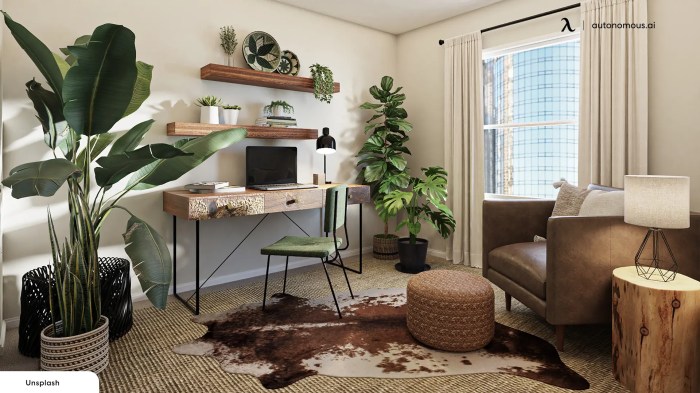
Creating a harmonious and productive workspace in your home office involves applying the principles of Feng Shui. By understanding how energy flows in a space, you can optimize the layout and design to enhance focus, creativity, and overall well-being.
Optimizing Layout and Design
When setting up your home office according to Feng Shui principles, consider the following tips:
- Avoid placing your desk facing a wall, as this can create a feeling of being boxed in. Position it so you have a clear view of the room and entrance.
- Keep your workspace clutter-free to allow for smooth energy flow. Organize your files, supplies, and equipment to minimize distractions.
- Maximize natural light by positioning your desk near a window. Natural light not only boosts mood and energy but also symbolizes growth and opportunity.
- Incorporate elements of nature, such as plants or a small indoor fountain, to bring in positive energy and create a calming atmosphere.
Importance of Natural Light
Natural light is a key element in Feng Shui for a home office. It not only brightens up the space but also promotes a sense of openness and vitality. Make sure to keep window treatments light and airy to allow maximum light to enter the room.
Decluttering for Positive Energy
Decluttering is essential in Feng Shui as it helps clear stagnant energy and allows for fresh, positive energy to flow freely. Regularly go through your workspace to remove unnecessary items and keep only what is essential for your work.
Incorporating Elements of Nature
Bringing elements of nature into your home office can create a sense of balance and harmony. Plants, in particular, are known to purify the air, reduce stress, and increase productivity. Choose plants that are easy to care for and fit the size of your workspace.
Home Inspections
When setting up a home office, it is crucial to conduct thorough home inspections to ensure the space is safe, functional, and conducive to productivity. Home inspections help identify any potential issues that may impact the efficiency of your home office setup.
Common Issues Found During Home Inspections
- Electrical Problems: Faulty wiring, overloaded circuits, or outdated electrical systems can pose a safety hazard and affect the functionality of your home office. It is essential to address these issues promptly to avoid any risks.
- Structural Defects: Issues such as water damage, foundation cracks, or roof leaks can impact the overall integrity of your home, leading to potential safety concerns and disruptions to your work environment.
- Poor Ventilation: Inadequate ventilation can lead to poor air quality in your home office, affecting your health and productivity. Proper ventilation is essential for a comfortable and efficient workspace.
Tips for Addressing Concerns Identified During Home Inspections
- Seek Professional Help: For complex issues like electrical or structural problems, it is best to consult with qualified professionals to assess and address the issues effectively.
- Regular Maintenance: Implement a routine maintenance schedule to prevent issues from escalating. Regular inspections and upkeep can help maintain a safe and functional home office environment.
- Create a Safe Workspace: Prioritize safety by ensuring smoke detectors, fire extinguishers, and emergency exits are easily accessible in your home office. Safety should always be a top priority.
Kitchen Improvements
Enhancing your kitchen can have a significant impact on the productivity and ambiance of your home office. A well-designed kitchen can inspire creativity and provide easy access to refreshments, ultimately improving your work environment.
Incorporating Kitchen Elements
When setting up your home office, consider incorporating kitchen elements like a coffee station or mini-fridge to make your workspace more functional and convenient. A coffee station can keep you caffeinated and focused throughout the day, while a mini-fridge can store snacks and beverages for quick breaks.
Creating a Seamless Transition
To create a seamless transition between the kitchen and home office space, consider using similar color schemes or decor elements in both areas. You can also use storage solutions like shelves or cabinets to keep kitchen supplies organized and out of sight when not in use. By blending the two spaces harmoniously, you can create a cohesive and efficient work environment.
Home Improvement and Furniture
When it comes to setting up a home office, the right furniture can make a significant impact on productivity and comfort. Here, we’ll explore the latest trends in home office furniture and provide tips on selecting ergonomic options for an efficient workspace.
Latest Trends in Home Office Furniture
- Standing desks: Increasingly popular for promoting movement and reducing sedentary behavior.
- Multifunctional furniture: Pieces that serve multiple purposes to optimize space.
- Natural materials: Furniture made from sustainable materials for a healthier work environment.
Selecting Ergonomic Furniture
- Adjustable chair with lumbar support: Helps maintain proper posture and reduce back strain.
- Height-adjustable desk: Allows for changing positions throughout the day to prevent discomfort.
- Monitor arm: Positions the screen at eye level to reduce neck strain.
Repurposing Existing Furniture
- Convert a bookshelf into a standing desk by adding a tabletop at standing height.
- Use a dining table as a spacious desk by clearing it off and adding organizational tools.
- Turn a storage cabinet into a vertical workspace by removing shelves and adding a pull-out desk.
Flooring
When it comes to creating a harmonious and productive home office, the choice of flooring plays a crucial role in the overall energy flow and ambiance of the space. The right flooring can enhance focus, creativity, and motivation, while the wrong choice can disrupt the flow of energy and hinder productivity.
Best Flooring Options
- Hardwood: Hardwood flooring is a popular choice for home offices due to its durability, classic aesthetic appeal, and ease of maintenance. It provides a warm and inviting atmosphere while adding a touch of sophistication to the space.
- Laminate: Laminate flooring offers a cost-effective alternative to hardwood with a wide range of designs and colors to choose from. It is easy to clean and maintain, making it a practical option for a home office.
- Carpet: Carpet flooring can add coziness and warmth to a home office, making it a comfortable option for those who prefer a softer surface. However, it may require more maintenance to keep clean and free of allergens.
- Vinyl: Vinyl flooring is durable, water-resistant, and easy to clean, making it ideal for high-traffic areas like a home office. It comes in various styles that mimic the look of hardwood or tile without the high cost.
Maintenance and Care Tips
- Hardwood: To maintain hardwood flooring, regularly sweep or vacuum to remove dirt and debris. Use a damp mop with a hardwood floor cleaner to keep it looking its best.
- Laminate: Clean laminate flooring with a soft broom or vacuum to remove dust and dirt. Avoid using excessive water when mopping, as it can damage the laminate surface.
- Carpet: Vacuum carpet flooring regularly to prevent dirt and dust buildup. Consider professional carpet cleaning services to maintain its appearance and extend its lifespan.
- Vinyl: Clean vinyl flooring with a damp mop and mild detergent to remove stains and spills. Avoid using harsh chemicals that can damage the vinyl surface.
Furniture
When setting up a home office, choosing the right furniture is key to creating a productive and comfortable workspace. The furniture you select can impact your creativity, organization, and overall workflow.
Styles of Furniture
- Modern: Sleek lines, minimalistic design, and often made of materials like glass, metal, or wood.
- Traditional: Classic and elegant designs with ornate details, rich wood finishes, and decorative accents.
- Industrial: Utilitarian and rugged look with materials like steel, reclaimed wood, and distressed finishes.
- Scandinavian: Clean lines, light colors, and a focus on simplicity and functionality.
Organizing Furniture for Productivity
Properly organizing your furniture can help create a conducive environment for work. Here are some tips:
- Place your desk in a position where natural light can flow in to boost mood and productivity.
- Keep your workspace clutter-free by utilizing storage solutions like shelves, drawers, and cabinets.
- Ensure your chair and desk are ergonomically designed to promote good posture and reduce strain on your body.
Comfort and Functionality
Comfort and functionality are crucial factors when selecting furniture for your home office. Consider the following:
- Invest in a quality chair with proper back support and adjustability to prevent discomfort during long hours of work.
- Choose a desk that provides enough surface area for your work tasks and has adequate storage options for organizing your supplies.
- Select furniture pieces that not only look good but also serve a practical purpose in your daily work routine.
Green Living
Creating a green home office not only benefits the environment but also promotes a healthier and more productive workspace. By incorporating eco-friendly practices and materials, you can reduce your carbon footprint and create a sustainable office space.
Benefits of Eco-Friendly Practices
- Improved indoor air quality: Using natural materials and plants can help purify the air and create a healthier work environment.
- Energy efficiency: Choosing energy-efficient appliances and lighting can reduce electricity consumption and lower utility bills.
- Reduced waste: Opting for recycled or upcycled furniture and materials can minimize waste and contribute to a more sustainable lifestyle.
Tips for a Sustainable Home Office
- Choose eco-friendly furniture made from sustainable materials such as bamboo or reclaimed wood.
- Integrate plants into your office space to improve air quality and add a touch of nature.
- Maximize natural light by positioning your desk near a window to reduce the need for artificial lighting.
Ideas for Green Office Design
- Use non-toxic paint and finishes to create a healthier indoor environment.
- Invest in energy-saving technology such as smart power strips and programmable thermostats.
Interior Design and Decorating
When it comes to designing and decorating a home office, the choices you make can have a significant impact on your mood and productivity levels. Creating a space that is both functional and aesthetically pleasing is key to maximizing your work efficiency.
Color Schemes
Choosing the right color scheme for your home office is crucial. Opt for colors that promote focus and creativity, such as calming blues, energizing yellows, or grounding earth tones. Avoid overly bright or distracting colors that may hinder concentration.
Lighting
Proper lighting is essential in a home office setting. Natural light is ideal, so position your desk near a window if possible. Supplement with task lighting to reduce eye strain. Avoid harsh overhead lighting that can cause glare on screens.
Decor Elements
Integrating decor elements that inspire and motivate you can boost your productivity. Personalize your space with artwork, plants, or meaningful objects. Keep clutter to a minimum to maintain a clean and organized workspace.
Bath and Shower
When setting up a home office, it is essential to consider the proximity to a bathroom or shower. Having easy access to these facilities can contribute to a more comfortable and efficient work environment.Taking breaks and refreshing oneself with a quick shower during work hours can be rejuvenating and help increase productivity. It can help clear the mind, reduce stress, and boost energy levels, leading to better focus and creativity.
Incorporating a Small Bath or Shower Area
When designing a home office space, consider incorporating a small bath or shower area within or near the workspace. This can be achieved by utilizing space-saving solutions such as compact shower stalls or wet rooms. It is important to ensure proper ventilation and waterproofing to prevent damage to the office area.
- Install a compact shower stall or wet room to save space.
- Consider using glass partitions or curtains to separate the shower area from the workspace.
- Ensure proper ventilation to prevent moisture buildup and mold growth.
- Choose waterproof materials for flooring and walls to protect the office space.
- Include storage solutions for towels and toiletries to keep the area organized.
House Plans
When it comes to designing a home office, the house plan plays a crucial role in determining the overall functionality and layout of the space. A well-thought-out house plan can provide the necessary space and environment for a productive home office setup.Factors to consider when choosing a house plan that accommodates a dedicated home office space include the size and location of the office area within the house.
It is essential to ensure that the office space is away from high-traffic areas to minimize distractions and maintain privacy. Additionally, natural light and ventilation are important considerations to create a comfortable and inspiring work environment.Customizing house plans to include specific features for an ideal home office setup can involve adding built-in storage solutions, ample electrical outlets, and proper lighting fixtures.
It is also beneficial to have a designated workspace that is separate from the rest of the living areas to create a boundary between work and personal life.
Tips for Customizing House Plans for Home Office
- Consider adding soundproofing materials to minimize noise disruptions.
- Incorporate ergonomic furniture to promote comfort and productivity.
- Include technology upgrades such as extra power outlets and internet connections.
- Opt for a layout that allows for flexibility in furniture arrangement and storage options.
Heating and Air Conditioning
Proper heating and air conditioning are essential in a home office to ensure comfort and productivity. Maintaining a consistent and comfortable temperature can help you focus better on your work and create a conducive environment for creativity and efficiency.
Optimizing Temperature Control
- Position your desk away from direct sunlight to prevent overheating during the day.
- Use curtains or blinds to regulate the amount of sunlight entering the room and maintain a comfortable temperature.
- Consider using a programmable thermostat to adjust the temperature based on your work schedule.
- Regularly clean and replace air filters to ensure proper airflow and efficient operation of your HVAC system.
Energy-Efficient Solutions
- Invest in a smart thermostat that can learn your habits and adjust the temperature accordingly to save energy.
- Seal any drafts around windows and doors to prevent heat loss during the winter and keep the cool air in during the summer.
- Consider using a ceiling fan to help circulate air and reduce the workload on your heating and cooling systems.
- Opt for energy-efficient HVAC systems that are designed to consume less energy while still providing effective heating and cooling.
Elevate your home office experience with Feng Shui principles to cultivate a space that energizes your work and enhances your well-being. Let the ancient art of Feng Shui guide you towards a more productive and harmonious work environment.
Q&A
How can I incorporate Feng Shui in a small home office?
Consider using mirrors to expand space, declutter regularly, and position your desk to face the door for better energy flow.
Can I use Feng Shui principles in a shared home office?
Absolutely, ensure each person’s desk has a clear view of the entrance, use plants to promote harmony, and maintain a clutter-free environment.
Is it necessary to follow Feng Shui colors strictly in a home office?
While colors play a significant role, focus on creating a balanced color palette that resonates with you personally while also aligning with Feng Shui principles.
How can I incorporate Feng Shui into a home office with limited natural light?
Utilize full-spectrum lighting, add reflective surfaces, and introduce air-purifying plants to mimic the benefits of natural light.


