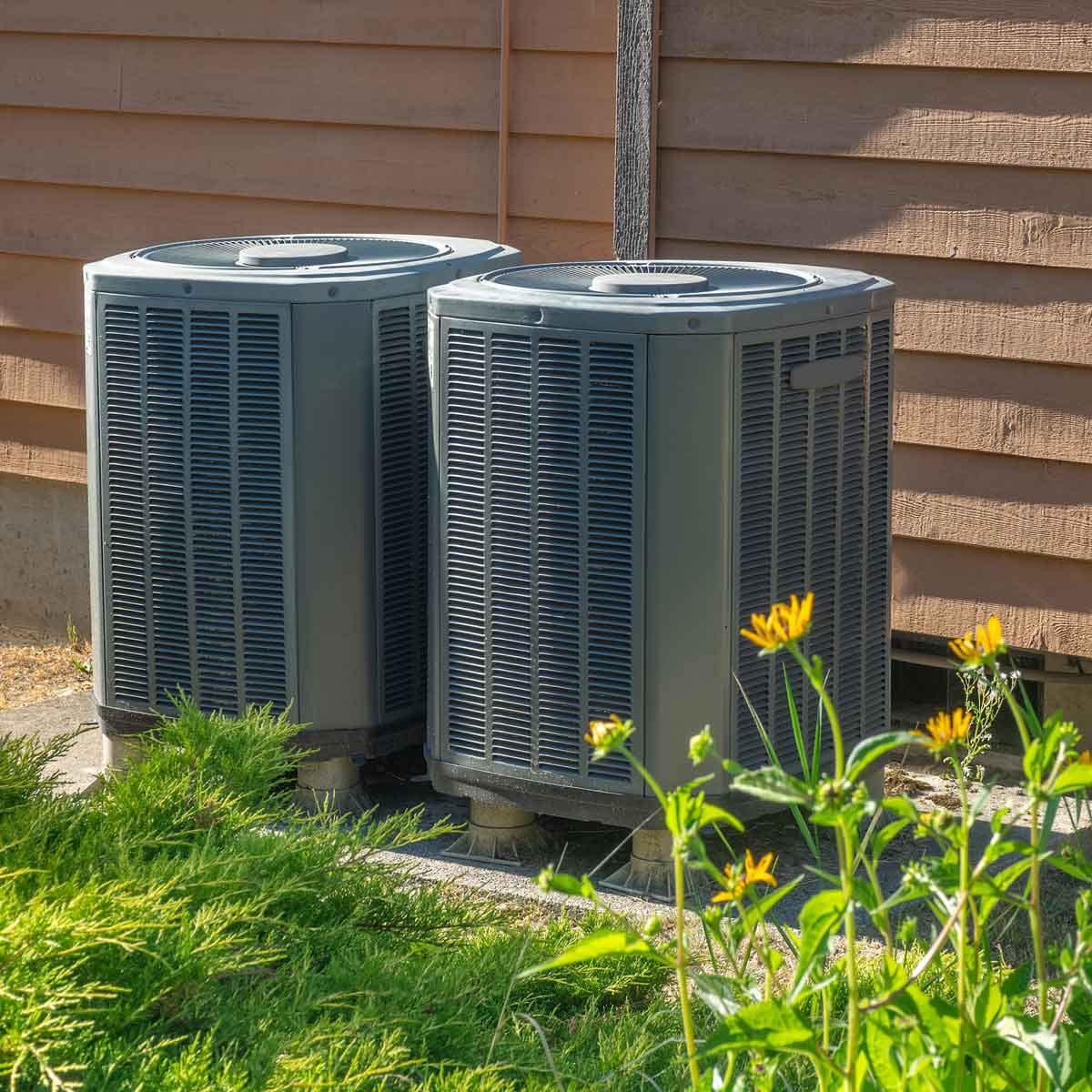
As Heating and cooling systems for homes takes center stage, this opening passage beckons readers into a world crafted with good knowledge, ensuring a reading experience that is both absorbing and distinctly original.
From the importance of proper heating and cooling to the benefits of smart thermostats, this guide delves into the key aspects of creating a comfortable home environment.
Heating and Cooling Systems for Homes
Proper heating and cooling systems are essential for maintaining a comfortable and healthy living environment in a home. These systems help regulate indoor temperature, humidity levels, and air quality, ensuring the well-being of occupants.
Types of Heating Systems
There are several types of heating systems commonly used in residential buildings:
- Forced Air Systems: These systems use ductwork to distribute heated air throughout the home, often powered by gas or electricity.
- Radiant Heating: This system involves heating panels installed in floors, walls, or ceilings to radiate heat into the room.
- Heat Pumps: Heat pumps transfer heat from the air or ground into the home, providing both heating and cooling capabilities.
- Electric Heating: Electric heating systems use resistance coils to generate heat, suitable for smaller spaces or as a supplemental heating source.
Benefits of Installing a Smart Thermostat
Installing a smart thermostat offers several benefits for efficient temperature control:
- Energy Savings: Smart thermostats can learn your schedule and preferences, adjusting the temperature accordingly to save energy and reduce utility costs.
- Remote Access: With smart thermostats, you can control the temperature of your home from anywhere using a smartphone app, ensuring comfort upon arrival.
- Integration with Smart Home Systems: Smart thermostats can integrate with other smart home devices, allowing for seamless automation and control of your home’s climate.
- Improved Comfort: Smart thermostats provide more precise temperature control, ensuring optimal comfort levels throughout the day without manual adjustments.
Home Inspections
Home inspections play a crucial role in ensuring the safety and efficiency of heating and cooling systems in a house. Inspectors thoroughly examine various components to identify potential issues and ensure the systems are in good working condition.
Key Areas Related to Heating and Cooling Systems During Home Inspection
- Inspecting the furnace or heat pump to check for proper operation and efficiency.
- Evaluating the air conditioning unit to ensure it is cooling effectively.
- Checking ductwork for leaks, blockages, or other issues affecting airflow.
- Examining thermostat settings and controls for accuracy.
Significance of Maintaining Heating and Cooling Systems for a Successful Home Inspection
Maintaining heating and cooling systems regularly is essential to ensure they operate efficiently and safely. Regular maintenance can help prevent breakdowns, prolong the lifespan of the systems, and improve indoor air quality. By keeping these systems well-maintained, homeowners can increase the chances of a successful home inspection and potentially increase the value of their property.
Tips for Homeowners on Preparing Heating and Cooling Systems for Inspection
- Schedule regular maintenance with a professional HVAC technician to ensure the systems are in good working condition.
- Change air filters regularly to improve airflow and indoor air quality.
- Clear the area around heating and cooling units to ensure proper ventilation and airflow.
- Keep thermostat settings at optimal levels to maintain comfort and energy efficiency.
Kitchen Improvements
When upgrading heating and cooling systems in a home, the kitchen is an essential area to consider. A comfortable kitchen environment is crucial for cooking, dining, and spending time with family and friends. Enhancing the heating and cooling systems in the kitchen can greatly improve its functionality and overall appeal.
Energy-Efficient Cooling Systems
Integrating energy-efficient cooling systems in the kitchen can help reduce electricity bills and minimize environmental impact. Consider installing ceiling fans or energy-efficient air conditioning units to maintain a comfortable temperature in the kitchen. Additionally, proper insulation and sealing of windows and doors can prevent heat loss or gain, further improving energy efficiency.
Integrating Heating Elements
Incorporating heating elements into the kitchen design can provide added comfort during colder months. Installing radiant floor heating or under-cabinet heating systems can ensure a cozy atmosphere while cooking or enjoying meals. These heating elements can be controlled separately from the rest of the house, allowing for customized temperature settings in the kitchen area.
Home Improvement and Furniture
When it comes to home improvement and furniture, the selection and arrangement of furniture can have a significant impact on the efficiency of heating and cooling systems in a home. Proper placement of furniture can help optimize the airflow and distribution of heat or air conditioning throughout the space, ultimately leading to a more comfortable living environment.
Impact of Furniture Placement on Heating and Cooling Systems
Proper furniture placement is essential for ensuring that heating and cooling systems work efficiently. Here are some ways in which furniture placement can affect the efficiency of these systems:
- Furniture blocking vents or radiators can obstruct the airflow and prevent proper distribution of heat or cool air.
- Large pieces of furniture placed near thermostats can interfere with temperature readings, causing the system to work harder than necessary.
- Arranging furniture in a way that creates barriers to airflow can result in uneven heating or cooling throughout the home.
- Choosing furniture with materials that retain heat or cold can impact the overall temperature regulation of the space.
Tips for Choosing Furniture that Complements Heating and Cooling Systems
When selecting furniture for your home, consider the following tips to ensure that it complements the overall design and efficiency of your heating and cooling systems:
- Opt for furniture with legs or raised bases to allow for better airflow underneath and around the pieces.
- Choose materials that are conducive to temperature regulation, such as breathable fabrics or materials that do not retain heat.
- Avoid placing large pieces of furniture directly in front of vents or radiators to allow for unobstructed airflow.
- Consider the layout of your space and arrange furniture in a way that promotes good circulation of air throughout the room.
Flooring
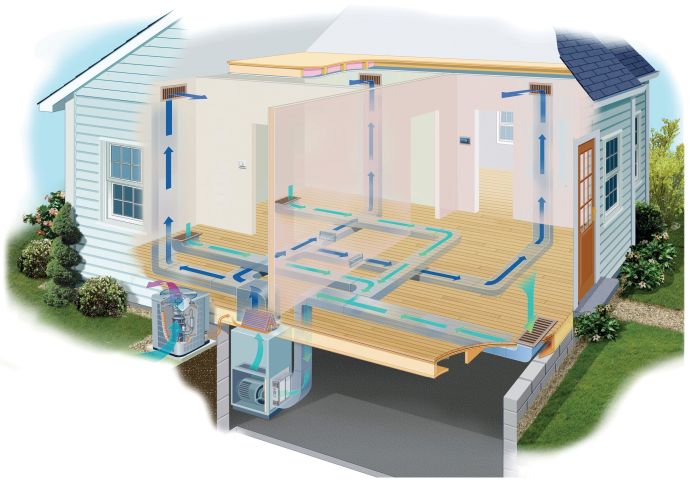
When it comes to heating and cooling systems for homes, the type of flooring you choose can have a significant impact on how well the heat is distributed throughout a room. Different types of flooring materials have varying levels of thermal conductivity, which affects how quickly or slowly they absorb and release heat. This can impact the overall efficiency of your heating system and how comfortable your home feels.
Impact of Flooring on Heat Distribution
The thermal conductivity of flooring materials determines how well heat can pass through them. Materials like tile and stone have high thermal conductivity, meaning they can quickly absorb and release heat. On the other hand, materials like carpet and wood have lower thermal conductivity, which can result in a slower distribution of heat in a room. This can lead to uneven heating and potential energy waste.
Best Flooring Options for Radiant Heating Systems
For homes with radiant heating systems, it is best to choose flooring materials with high thermal conductivity to ensure efficient heat distribution. Tile, stone, and concrete are ideal options as they can effectively transfer heat from the floor to the room. These materials also retain heat well, helping to maintain a comfortable temperature in the space.
Maintenance Tips for Flooring in Areas with Heating Vents or Cooling Ducts
When installing flooring in areas with heating vents or cooling ducts, it is important to consider the impact of these systems on the materials. Make sure to choose flooring materials that can withstand temperature changes without warping or damage. Regularly clean and inspect the vents and ducts to prevent dust and debris from accumulating and affecting the efficiency of the heating and cooling systems.
Green Living
For environmentally conscious homeowners, opting for eco-friendly heating and cooling systems is a great way to reduce carbon footprint and promote sustainability in their homes. These systems are designed to be energy-efficient and utilize renewable energy sources, making them a more environmentally friendly choice compared to traditional systems.
Passive Heating and Cooling Techniques
Passive heating and cooling techniques are integral to green home design, as they rely on natural elements to regulate indoor temperatures. This can include strategic placement of windows for optimal sunlight exposure in the winter and natural ventilation for cooling in the summer. By maximizing these passive techniques, homeowners can reduce the need for mechanical heating and cooling systems, ultimately saving energy and reducing costs.
Sustainable Maintenance Practices
In addition to choosing eco-friendly heating and cooling systems, homeowners can also adopt sustainable practices when it comes to system maintenance. Regularly servicing HVAC units, cleaning or replacing filters, and ensuring proper insulation can all contribute to the efficient operation of these systems. By maintaining them properly, homeowners can prolong the lifespan of their heating and cooling systems while minimizing energy consumption and environmental impact.
Interior Design and Decorating
When it comes to interior design and decorating, heating and cooling systems play a crucial role in not only providing comfort but also influencing the overall aesthetic of a space. The integration of these systems into the design can greatly impact the functionality and visual appeal of a room.
Influence of Heating and Cooling Systems on Design Choices
Heating and cooling systems can influence design choices in various ways. For instance, the size and placement of vents, radiators, or air conditioning units can impact furniture layout and placement. The type of heating and cooling system chosen can also affect the overall style and design scheme of a room.
- Consider the aesthetics of the heating and cooling units: Opt for sleek and modern designs that blend seamlessly with the decor, or choose units that can be concealed or integrated into the architecture of the space.
- Use color coordination: Match the color of the heating and cooling elements with the walls or furniture to create a cohesive look.
- Think about placement: Strategically place vents or radiators in areas that are both functional and visually appealing, avoiding obstructing views or creating design obstacles.
Tips for Selecting Complementary Decor
When selecting decor for a space with heating and cooling systems, it’s essential to choose items that not only enhance the aesthetic appeal but also complement the functionality of the systems.
- Opt for textiles: Use curtains, rugs, and throws to soften the look of vents or radiators, while also adding texture and warmth to the room.
- Incorporate plants: Indoor plants not only add a touch of greenery but also help improve air quality, working hand in hand with the cooling and heating systems.
- Choose furniture wisely: Select furniture pieces that allow for proper air circulation around heating and cooling elements, ensuring efficient operation while maintaining a stylish look.
Bath and Shower
Proper ventilation in bathrooms is crucial for maintaining a healthy indoor environment. Without adequate ventilation, moisture can build up, leading to mold and mildew growth, which can pose health risks to occupants.When it comes to heating options for bathroom spaces, electric radiant floor heating is a popular choice. This system provides warmth from the ground up, ensuring comfort during colder months.
Additionally, heated towel racks can add a touch of luxury while keeping towels warm and cozy.To optimize the efficiency of cooling systems in bathrooms, consider installing a bathroom exhaust fan. This helps remove excess moisture and odors, improving air quality. Additionally, using energy-efficient cooling options like ceiling fans can help circulate air and maintain a comfortable temperature.
Ventilation Tips
- Ensure proper ventilation by installing an exhaust fan to remove moisture and prevent mold growth.
- Open windows occasionally to allow fresh air to circulate and reduce humidity levels.
- Clean and maintain exhaust fans regularly to ensure optimal performance.
Heating Options
- Consider installing electric radiant floor heating for consistent warmth in your bathroom.
- Invest in heated towel racks for added comfort and luxury.
- Use programmable thermostats to control heating levels and save energy.
Cooling Efficiency
- Install a bathroom exhaust fan to improve air circulation and remove excess moisture.
- Use energy-efficient cooling options like ceiling fans to maintain a comfortable temperature.
- Keep bathroom doors open to allow air to flow freely throughout the space.
House Plans
When planning to build a new home, considering heating and cooling systems in the initial stages is crucial for ensuring comfort and efficiency in the long run.
The Impact of Floor Plan Layouts
Floor plan layouts play a significant role in the effectiveness of heating and cooling distribution throughout a home. The placement of rooms, windows, and doors can impact how air circulates and temperature is maintained. For example, open floor plans may allow for better airflow and heat distribution compared to closed-off, compartmentalized layouts.
Incorporating Energy-Efficient Systems
Incorporating energy-efficient heating and cooling systems into house plans is essential for long-term benefits. This includes selecting high-efficiency HVAC equipment, proper insulation, and strategic placement of windows to maximize natural light and minimize heat loss. By designing a home with energy efficiency in mind, homeowners can reduce energy costs and minimize their environmental impact.
Feng Shui
When it comes to creating a harmonious living environment, Feng Shui principles play a key role in determining the flow of energy within a space. The placement of heating and cooling systems in a home can greatly impact the balance and harmony of the space according to Feng Shui beliefs.
Alignment with Feng Shui Guidelines
Proper alignment of heating and cooling systems with Feng Shui guidelines is essential for maintaining a balanced and positive energy flow in the home. Here are some tips to help you align your systems with Feng Shui principles:
- Place heating sources in the south or southeast areas of the home to enhance warmth and energy flow.
- Avoid placing heating systems directly opposite the main entrance to prevent energy from escaping too quickly.
- Ensure that cooling systems are placed in the north or northwest areas of the home to promote calmness and relaxation.
- Keep air vents unobstructed to allow for smooth energy circulation throughout the space.
Home Improvement
Heating and cooling systems play a crucial role in overall home improvement projects. These systems not only provide comfort but also contribute significantly to the energy efficiency and sustainability of a home.
Upgrading HVAC Systems for Increased Property Value
When homeowners decide to upgrade their heating and cooling systems, they are not just investing in their comfort but also in the value of their property. Upgrading to more efficient HVAC systems can increase the overall value of a home, making it more attractive to potential buyers in the future.
- Installing a high-efficiency furnace or air conditioner can lead to lower energy bills for the homeowner, making the property more appealing.
- Smart HVAC systems that can be controlled remotely or through a mobile app are considered modern amenities that can add value to a home.
- Energy-efficient heating and cooling systems are also attractive to environmentally conscious buyers who are willing to pay a premium for sustainable features.
Investing in upgrading HVAC systems can not only improve the comfort of a home but also increase its overall value in the real estate market.
Challenges in Upgrading Heating and Cooling Systems during Renovations
Upgrading heating and cooling systems during renovations can pose certain challenges for homeowners. These challenges may include:
- Compatibility issues with existing ductwork or infrastructure, leading to additional costs and time delays in the renovation process.
- Finding the right HVAC system that fits the specific needs of the home and its layout, especially in older homes with unique configurations.
- Budget constraints that may limit the options available for upgrading heating and cooling systems, forcing homeowners to prioritize certain features over others.
Heating and Air Conditioning
When it comes to heating and air conditioning systems for residential use, there are various options available to homeowners. It is important to understand the different types of systems, optimal settings, and maintenance tips to ensure both comfort and energy efficiency in your home.
Types of Heating and Air Conditioning Systems
- For heating, common systems include furnaces, heat pumps, and boilers. Furnaces use gas, oil, or electricity to generate heat, while heat pumps transfer heat from the air or ground. Boilers, on the other hand, heat water to provide warmth throughout the home.
- When it comes to air conditioning, options range from central air conditioning systems to ductless mini-split systems. Central air conditioning uses ducts to distribute cool air, while ductless systems have individual units for each room.
Optimal Settings for Comfort and Energy Efficiency
- Set your thermostat to a comfortable temperature while you are at home, and consider adjusting it when you are away to save energy.
- Use ceiling fans to help circulate air and maintain a consistent temperature throughout your home.
- Ensure your home is properly insulated to prevent heat loss in the winter and keep cool air in during the summer.
Maintenance Tips for Heating and Air Conditioning Units
- Regularly replace air filters to ensure proper airflow and efficiency in your heating and cooling systems.
- Clean the outdoor unit of your air conditioner to remove debris and maintain optimal performance.
- Schedule annual maintenance checks with a professional to identify any issues early and keep your systems running smoothly.
With a focus on efficiency and comfort, this discussion encapsulates the vital elements of heating and cooling systems for homes, paving the way for a well-regulated and welcoming living space.
Key Questions Answered
How can I improve the efficiency of my heating system?
Regular maintenance such as changing filters and ensuring proper insulation can significantly boost efficiency.
What are the benefits of upgrading to a smart thermostat?
A smart thermostat allows for precise temperature control, leading to energy savings and enhanced comfort.
Can furniture placement affect the efficiency of cooling systems?
Yes, blocking vents or ducts with furniture can impede airflow and reduce the system’s effectiveness.


