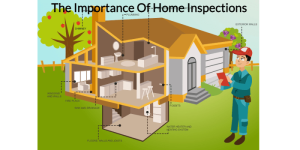
Preventing common HVAC issues starts with understanding the key problems homeowners face and implementing preventive measures to keep your system running smoothly. In this guide, we’ll explore the most effective strategies to ensure your HVAC system stays in top condition.
From regular maintenance tips to energy-efficient practices, we’ll cover everything you need to know to avoid common HVAC issues and maintain optimal performance.
Common HVAC Issues
Homeowners often encounter various HVAC problems that can disrupt the comfort of their living spaces. Understanding the common issues and their causes can help prevent unexpected breakdowns and costly repairs.
Potential Causes of HVAC System Breakdowns
There are several factors that can lead to HVAC system breakdowns, including:
- Poor maintenance practices, such as neglecting filter changes or ignoring regular inspections.
- Old or faulty equipment that is reaching the end of its lifespan.
- Improper installation of the HVAC system, leading to inefficiencies and malfunctions.
Warning Signs of HVAC Issues
It’s important to be aware of warning signs that indicate potential HVAC problems, such as:
- Inconsistent temperatures throughout the house.
- Strange noises coming from the HVAC unit.
- An increase in energy bills without a corresponding change in usage.
Importance of Regular HVAC Maintenance
Regular maintenance is crucial for preventing common HVAC issues and ensuring the system operates efficiently. By scheduling routine inspections and tune-ups, homeowners can detect and address minor problems before they escalate into major breakdowns.
Preventive Maintenance Tips
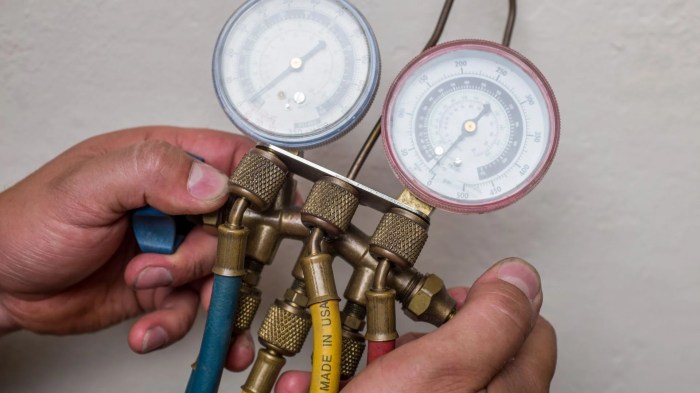
Regular maintenance is essential to keep your HVAC system running smoothly and efficiently. By following these preventive maintenance tips, you can avoid common issues and prolong the lifespan of your HVAC unit.
Benefits of Regular Filter Replacement
- Improves indoor air quality by trapping dust, pollen, and other allergens.
- Prevents strain on the HVAC system, leading to better energy efficiency.
- Helps maintain proper airflow and temperature distribution throughout your home.
Seasonal Maintenance Checklist for HVAC Units
- Spring: Clean or replace air filters, check refrigerant levels, and inspect outdoor unit for debris.
- Summer: Clean evaporator coils, check condensate drain, and test thermostat settings.
- Fall: Inspect heat exchanger, clean vents and ducts, and test heating system.
- Winter: Check for drafts around windows and doors, inspect insulation, and schedule a professional tune-up.
Scheduling Professional Inspections
- Professional HVAC technicians can identify potential issues before they become major problems.
- Regular inspections can improve system performance and efficiency.
- Technicians can provide expert recommendations for optimizing your HVAC system.
Energy Efficiency
Ensuring energy efficiency in your HVAC system not only helps save on utility costs but also plays a vital role in preventing common HVAC issues. By following some simple practices, you can optimize your system’s performance and longevity.
Optimizing Thermostat Settings
One effective way to enhance energy efficiency is by setting your thermostat appropriately. During the summer, aim for a temperature setting of 78°F when you are at home, and increase this when you are away. In the winter, keep the thermostat at around 68°F for comfort and efficiency. Consider investing in a programmable thermostat to automatically adjust settings based on your schedule.
Proper Insulation Importance
Proper insulation is crucial in preventing HVAC strain and maintaining energy efficiency. Ensure that your home is well-insulated, especially in areas like the attic, walls, and windows. Good insulation helps in maintaining a consistent indoor temperature, reducing the workload on your HVAC system.
Upgrading to Energy-Efficient Systems
Consider upgrading to energy-efficient HVAC systems to significantly improve energy efficiency and reduce the likelihood of system breakdowns. Look for systems with a high SEER (Seasonal Energy Efficiency Ratio) rating for better performance. Energy-efficient models not only save on energy costs but also contribute to a more sustainable environment.
DIY Troubleshooting
When it comes to dealing with HVAC issues at home, there are some basic troubleshooting steps homeowners can take before calling a professional. Not only can this save time and money, but it can also help prevent minor problems from turning into major issues. However, it’s important to remember that safety should always come first when attempting any DIY HVAC maintenance.
Safety Tips for DIY HVAC Maintenance
- Always turn off the power to your HVAC system before starting any maintenance or troubleshooting.
- Wear appropriate safety gear, such as gloves and safety goggles, to protect yourself from any potential hazards.
- Follow manufacturer’s instructions and guidelines when working on your HVAC system.
- If you’re not sure about how to proceed or if a task seems too complex, it’s best to call a professional.
When to Call a Professional
- If you notice any strange noises, unusual smells, or a sudden increase in your energy bill, it’s best to call a professional for help.
- If you’re not comfortable working with electrical components or if the issue requires specialized tools, it’s safer to leave it to the experts.
Risks of Ignoring Minor HVAC Problems
Ignoring minor HVAC problems can lead to bigger issues down the line. What may seem like a small issue now could turn into a costly repair or even a system breakdown if left unaddressed. Regular maintenance and timely repairs can help prolong the life of your HVAC system and keep it running efficiently.
Signs of HVAC System Aging
As HVAC systems age, they start showing signs of wear and tear that can impact their performance and efficiency. Recognizing these signs early on can help homeowners take proactive measures to address potential issues before they escalate.
Identifying Signs of Aging
- Increased energy consumption: Older HVAC systems often require more energy to operate efficiently, leading to higher utility bills.
- Frequent breakdowns: If your HVAC system is constantly in need of repairs, it may be a sign that it is reaching the end of its lifespan.
- Inconsistent temperatures: Uneven heating or cooling throughout your home can indicate that your HVAC system is struggling to maintain a consistent temperature.
- Loud noises: Unusual sounds coming from your HVAC system, such as banging or grinding noises, can be a sign of mechanical issues.
Importance of Regular Maintenance
Regular maintenance is essential for extending the life of your HVAC system. By scheduling annual tune-ups and inspections, you can identify and address minor issues before they turn into costly repairs. Simple tasks like changing air filters and cleaning vents can also improve the efficiency of your system.
Considering Replacement Options
It’s important to consider replacement options before your HVAC system breaks down completely. Upgrading to a newer, more energy-efficient system can save you money in the long run and improve the comfort of your home. Look for systems with high SEER ratings and ENERGY STAR certification for maximum efficiency.
Choosing the Right HVAC System
When selecting a new HVAC system, consider factors such as the size of your home, climate, and energy needs. Consulting with a professional HVAC technician can help you determine the best system for your specific requirements. Investing in a high-quality system may cost more upfront, but it will pay off in terms of efficiency and longevity.
Impact of Home Inspections
Routine home inspections play a crucial role in identifying potential HVAC issues before they escalate into costly repairs or replacements. By including HVAC systems in home inspection reports, homeowners can stay informed about the condition of their heating and cooling systems, ensuring they operate efficiently and effectively.
Importance of HVAC Systems in Home Inspection Reports
- Home inspectors thoroughly assess HVAC systems to identify any existing problems or signs of wear and tear.
- Inspections help homeowners understand the overall condition of their HVAC systems and plan for any necessary maintenance or repairs.
- Issues detected during inspections can be addressed promptly, preventing major breakdowns and ensuring the longevity of the HVAC system.
Experiences with Hidden HVAC Problems
- During a routine home inspection, a hidden refrigerant leak was discovered in the HVAC system, which could have led to poor cooling performance if left unattended.
- In another instance, a clogged air filter was identified during an inspection, causing the HVAC system to work harder and consume more energy than necessary.
- Homeowners have shared experiences where home inspections revealed faulty thermostats, worn-out components, and inadequate insulation affecting HVAC efficiency.
Tips for Homeowners on Preparing HVAC Systems for Inspections
- Prior to the inspection, clean or replace air filters to ensure proper airflow and system efficiency.
- Clear the area around the HVAC unit for easy access and inspection by the professionals.
- Consider scheduling a routine maintenance service before the inspection to address any minor issues and optimize system performance.
Kitchen Improvements
Kitchen renovations play a crucial role in impacting HVAC efficiency within a home. The layout, design, and appliances in the kitchen can all influence the workload of the HVAC system, affecting both heating and cooling processes. Proper ventilation is key to maintaining indoor air quality and overall comfort, especially in a space like the kitchen where cooking activities can generate heat, humidity, and odors.
Ventilation Systems in Kitchen Improvements
Proper ventilation systems are essential in kitchen improvements to remove cooking byproducts, prevent moisture buildup, and maintain air circulation. Installing range hoods and exhaust fans can help to expel pollutants and odors, reducing the strain on the HVAC system. An efficient ventilation system not only enhances indoor air quality but also contributes to the longevity and performance of the HVAC equipment.
Integrating HVAC Considerations into Kitchen Remodeling Projects
When planning kitchen remodeling projects, it is important to consider HVAC requirements to ensure optimal efficiency and comfort. Factors such as the placement of appliances, the design of ductwork, and the location of vents should be carefully thought out to minimize energy consumption and maintain consistent temperatures throughout the home. Working with HVAC professionals during the planning phase can help address potential issues and optimize the overall performance of the system.
Connection Between Kitchen Appliances and HVAC Load
The type and usage of kitchen appliances directly impact the HVAC load within a home. Energy-efficient appliances can help reduce the overall energy consumption of the HVAC system, while older or inefficient models may place additional strain on the system. Proper insulation, sealing of ducts, and regular maintenance of both kitchen appliances and HVAC units are essential in managing the load and ensuring efficient operation.
Home Improvement and Furniture
When it comes to home improvement projects, the impact on HVAC performance is often overlooked. The layout of your home, the placement of furniture, and even your choice of decor can all affect how efficiently your HVAC system operates. In this section, we will explore how these factors can influence air circulation, temperature regulation, and overall energy efficiency.
Furniture Placement and Air Circulation
Proper furniture placement is crucial for ensuring good air circulation throughout your home. Blocking vents or placing furniture too close to air returns can disrupt the flow of air, making it harder for your HVAC system to heat or cool your home effectively. Here are some tips for choosing furniture placement that complements HVAC airflow:
- Avoid placing furniture directly in front of vents or air returns.
- Leave space between furniture and walls to allow air to circulate freely.
- Consider using furniture with open designs, such as bookshelves or open-backed cabinets, to allow air to flow more easily.
Choosing Furniture for HVAC Efficiency
When selecting furniture for your home, consider how it may impact HVAC efficiency. Heavy, bulky furniture can absorb and retain heat, making it harder for your HVAC system to maintain a comfortable temperature. Opt for furniture that allows air to flow around it easily, such as:
- Slatted or open-back chairs and sofas.
- Furniture with legs that raise it off the ground, allowing air to circulate underneath.
- Lightweight, breathable fabrics that don’t trap heat.
Home Decor and Temperature Regulation
Your choice of home decor can also play a role in how well your HVAC system regulates temperature. Dark colors absorb heat, while light colors reflect it. Consider the following tips to help your HVAC system maintain a comfortable temperature:
- Use light-colored curtains or blinds to reflect sunlight and reduce heat gain.
- Opt for light-colored rugs and upholstery to prevent heat absorption.
- Strategically place mirrors to reflect natural light and create a sense of spaciousness without adding extra heat.
Flooring
When it comes to HVAC efficiency, the type of flooring in a home can play a significant role. Different flooring materials have varying levels of thermal conductivity, which can impact the heating and cooling costs of a space. Choosing the right flooring that complements the HVAC system can help optimize energy efficiency and indoor comfort. Additionally, proper maintenance of flooring is essential to prevent obstructions that can hinder HVAC airflow and performance.
Relationship Between Flooring Materials and HVAC Efficiency
Hard flooring materials such as tile, laminate, or concrete tend to have high thermal conductivity, meaning they can quickly transfer heat. This can be beneficial in spaces where heating is required as the floor can absorb and retain warmth. On the other hand, carpeting provides insulation and can help retain heat, making it suitable for areas where cooling is needed.
By understanding the thermal properties of different flooring materials, homeowners can make informed decisions that align with their HVAC needs.
Impact of Different Flooring Types on Heating and Cooling Costs
- Tile and laminate flooring can help reduce heating costs by allowing for efficient heat distribution.
- Carpeting can help lower cooling costs by providing insulation and reducing heat transfer.
- Hardwood flooring strikes a balance between heat retention and cooling efficiency, making it a versatile option for various climates.
Choosing Flooring to Complement HVAC Systems
- Consider the climate of your region and select flooring materials that align with the heating and cooling needs of your space.
- Consult with HVAC professionals to determine the best flooring options that work well with your system for optimal efficiency.
- Look for flooring materials that are easy to clean and maintain to prevent dust and debris buildup that can affect HVAC airflow.
Tips for Maintaining Flooring to Prevent HVAC Airflow Obstructions
- Regularly vacuum or sweep floors to remove dirt, dust, and debris that can block vents and impede airflow.
- Use doormats at entryways to minimize the amount of dirt and particles brought into the home, reducing the risk of clogging HVAC filters.
- Address spills and leaks promptly to prevent water damage that can warp flooring and lead to mold growth, impacting indoor air quality.
Green Living
Implementing eco-friendly practices in your home can not only benefit the environment but also help reduce strain on your HVAC system, leading to improved efficiency and lower energy costs.
Benefits of Eco-Friendly Practices
- Using programmable thermostats to regulate temperature can reduce energy consumption.
- Proper insulation and sealing can prevent air leaks, reducing the workload on your HVAC system.
- Installing energy-efficient windows and doors can improve insulation and reduce heat transfer.
Green Home Features for HVAC Efficiency
- Solar panels can help generate clean energy to power your HVAC system.
- High-efficiency HVAC units use less energy to provide the same level of comfort.
- Smart HVAC systems can be programmed to optimize energy usage based on your schedule.
Incorporating Sustainable Living Choices
- Using energy-efficient appliances and lighting can reduce overall energy consumption in your home.
- Choosing sustainable building materials for renovations can improve indoor air quality and reduce HVAC strain.
- Planting trees strategically around your home can provide natural shade and reduce the need for air conditioning.
Landscaping and Outdoor Elements Impact
- Properly positioning trees and shrubs can create windbreaks and reduce heat loss in winter.
- Paved surfaces can absorb and radiate heat, affecting indoor temperatures and HVAC usage.
- Installing awnings or pergolas can provide shade and reduce cooling needs during hot weather.
Interior Design and Decorating
When it comes to interior design and decorating, your choices can have a significant impact on the airflow and efficiency of your HVAC system. By carefully considering elements like curtains, rugs, and decor, you can optimize your space for better HVAC performance.
Role of Curtains, Rugs, and Decor
- Curtains: Heavy curtains can help insulate windows, reducing heat transfer and keeping your home cooler in the summer and warmer in the winter. Make sure to keep them closed during the hottest parts of the day to prevent heat gain.
- Rugs: Area rugs can help trap heat and prevent it from escaping through the floor, especially in rooms with hardwood or tile flooring. They also add an extra layer of insulation to keep rooms comfortable.
- Decor: The placement of furniture and decor can impact the airflow in a room. Make sure to avoid blocking vents or returns with large pieces of furniture, as this can disrupt the flow of air and reduce the efficiency of your HVAC system.
Optimizing Space for HVAC Performance
- Keep air vents clear: Ensure that furniture, curtains, and other objects are not obstructing the airflow from vents and returns.
- Use ceiling fans: Ceiling fans can help circulate air and reduce the workload on your HVAC system, making it more efficient.
- Strategic use of natural light: Utilize natural light sources to help control the temperature in your home. Direct sunlight can warm up rooms in the winter, while shading windows can help keep them cool in the summer.
Bath and Shower
Bathroom fixtures play a crucial role in impacting humidity levels and HVAC operation. Proper ventilation is essential to support HVAC systems in bathrooms. Preventing moisture-related HVAC issues and choosing water-efficient fixtures are key to reducing the HVAC workload.
Ventilation Requirements for Bathrooms
- Ensure bathrooms have proper ventilation to prevent moisture buildup, which can strain the HVAC system.
- Install exhaust fans to help remove excess moisture from the air, promoting better indoor air quality and preventing mold growth.
- Regularly clean and maintain exhaust fans to ensure they are functioning efficiently.
Preventing Moisture-Related HVAC Issues
- Fix any leaks in bathroom fixtures promptly to prevent water damage and excess humidity in the air.
- Use waterproof materials in bathroom construction to prevent moisture seepage into walls and floors.
- Monitor humidity levels in the bathroom and use a dehumidifier if necessary to maintain optimal levels.
Choosing Water-Efficient Fixtures
- Opt for low-flow showerheads and faucets to reduce water usage and minimize the load on the HVAC system.
- Consider installing water-saving toilets to further decrease water consumption in the bathroom.
- Regularly check and repair any leaks in fixtures to prevent wastage of water and excessive humidity levels.
House Plans
When designing house plans, it is crucial to consider HVAC systems to ensure optimal performance and energy efficiency throughout the home.
Importance of HVAC Considerations
Proper HVAC considerations in house plans can lead to better air quality, comfort, and cost savings over time. By strategically placing vents, returns, and ductwork, you can maximize the effectiveness of your heating and cooling systems.
Proper Ventilation and Ductwork Layout
- Ensure adequate ventilation in areas prone to moisture buildup, such as bathrooms and kitchens, to prevent mold and mildew growth.
- Proper ductwork layout can help distribute air evenly throughout the house, avoiding hot or cold spots and reducing energy waste.
Optimizing House Layouts
- Position HVAC units strategically to minimize noise and maximize efficiency.
- Consider open floor plans to promote better airflow and circulation of conditioned air.
Examples of Innovative HVAC Integration
- Smart HVAC systems that can be controlled remotely for personalized comfort and energy savings.
- Geothermal heating and cooling systems that utilize the earth’s natural temperature for efficient operation.
- Proper placement of HVAC vents and units according to Feng Shui guidelines can help optimize airflow and distribution of heat or cool air throughout the house.
- By aligning the HVAC system with Feng Shui principles, you can enhance energy flow and create a more harmonious atmosphere in your home.
- Ensuring that air vents are not blocked by furniture or clutter can improve air quality and prevent potential HVAC issues.
- Implementing Feng Shui practices such as decluttering, using air-purifying plants, and maintaining a clean environment can contribute to better indoor air quality.
- Strategic placement of HVAC vents and units can promote proper air circulation, preventing stagnant air and maintaining a fresh atmosphere throughout the home.
- Regular HVAC maintenance, including filter replacements and duct cleaning, is essential to ensure optimal air quality and circulation in alignment with Feng Shui principles.
- Consider the Bagua map in Feng Shui to determine the ideal location for HVAC units based on specific areas of your home related to health, wealth, relationships, and other aspects of life.
- Avoid placing HVAC systems in areas that disrupt the flow of energy or create imbalance in the home environment according to Feng Shui principles.
- Opt for concealed HVAC units or creative solutions to integrate heating and cooling systems seamlessly into the overall design of your space while following Feng Shui recommendations.
- Implementing Feng Shui in your home can create a sense of harmony and well-being, enhancing overall comfort and relaxation for occupants.
- By incorporating Feng Shui practices into HVAC system placement and maintenance, you can optimize functionality, improve energy efficiency, and extend the lifespan of your heating and cooling equipment.
- Creating a balanced and harmonious environment through Feng Shui can contribute to a more comfortable and enjoyable living experience, positively influencing the performance of your HVAC system.
- Regularly clean and replace air filters to maintain proper airflow and prevent dust buildup, which can hinder the system’s efficiency.
- Ensure all vents are open and unobstructed to allow for even distribution of heated or cooled air throughout the house.
- Consider installing a programmable thermostat to regulate temperatures based on your schedule, reducing energy consumption when not needed.
- Set your thermostat to a moderate temperature to avoid overworking your HVAC system, leading to potential breakdowns.
- Seal any gaps or leaks in windows, doors, and ductwork to prevent heat loss in the winter and maintain cool air in the summer.
- Use ceiling fans to help circulate air and create a more consistent temperature throughout your home.
- Consider investing in a newer, more energy-efficient HVAC unit to reduce energy costs and improve overall performance.
- Upgrade insulation in your home to ensure that conditioned air stays inside, reducing the workload on your HVAC system.
- Schedule regular maintenance checks with a professional HVAC technician to catch any potential issues early and keep your system running smoothly.
- Well-insulated homes retain heat in the winter and cool air in the summer, reducing the need for constant adjustments to your HVAC system.
- Proper insulation helps maintain a consistent temperature throughout your home, preventing hot or cold spots that can strain your HVAC unit.
- Consider adding insulation to your attic, walls, and floors to create a barrier against temperature fluctuations and improve overall energy efficiency.
Feng Shui
Feng Shui is a practice that focuses on creating harmony and balance in the home environment. When it comes to HVAC efficiency, implementing Feng Shui principles can have a significant impact on air quality, circulation, and overall comfort in your living space.
Connection between Feng Shui and HVAC Efficiency
Enhancing Air Quality and Circulation
Aligning HVAC System Placement with Feng Shui Guidelines
Impact of Feng Shui on Home Comfort and HVAC Functionality
Heating and Air Conditioning
Maintaining a balanced heating and cooling system is crucial for the longevity of your HVAC system. Properly regulating the temperature in your home not only ensures comfort but also helps prevent unnecessary strain on your HVAC unit.
Importance of Balanced Heating and Cooling Systems
Maintaining a Comfortable Temperature Range
Upgrading HVAC Systems for Optimal Heating and Cooling
Role of Proper Insulation in Supporting Efficient Heating and Air Conditioning
By following these preventive measures and staying proactive in your HVAC maintenance routine, you can save time, money, and energy in the long run. Don’t wait for problems to arise – take control of your HVAC system’s health today and enjoy a stress-free home environment.
FAQ Compilation
How often should I replace my HVAC filters?
It’s recommended to replace HVAC filters every 1-3 months, depending on usage and filter type.
When should I call a professional for HVAC issues?
If you encounter complex problems like strange noises, uneven cooling/heating, or frequent breakdowns, it’s best to call a professional HVAC technician.
How can I tell if my HVAC system is aging?
Signs of an aging HVAC system include increased energy bills, reduced efficiency, and frequent repairs. Regular maintenance can help extend its lifespan.
What are the benefits of energy-efficient HVAC systems?
Energy-efficient HVAC systems can lower utility bills, reduce environmental impact, and provide better temperature control and comfort in your home.